
Julia’s Story: A Lasting Reminder of Why School Bus Safety Matters
October 21, 2026
Changing Driver Behavior: How Mountain House Reduced Red-Light Violations by 73%
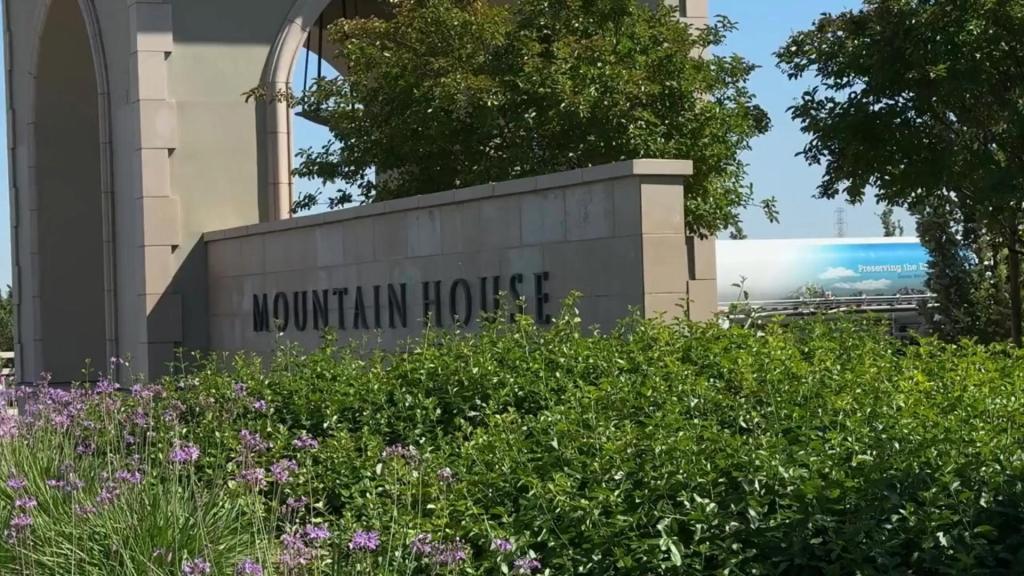
See how this California community is using data, education and automated enforcement to encourage safer driving.
What does success look like for a red-light safety program? For the City of Mountain House, California, it’s not about issuing more citations. It’s about changing driver behavior and reducing dangerous violations at intersections.
And early results suggest the city’s approach is working. As the first city in California to implement a red-light safety program under SB 720, Mountain House took a proactive approach to roadway safety, combining data-driven enforcement with community education.
The results tell a compelling story: weekly red-light violations declined by 73% over seven weeks, and 92% of drivers who received a violation notice did not receive another.
A Data-Driven Approach to Road Safety
As Mountain House continues to grow, city leaders recognized the importance of addressing roadway safety concerns at high-risk intersections.
Rather than taking a one-size-fits-all approach, the city analyzed three years of collision and traffic data to identify locations where automated enforcement could make a meaningful difference.
The result was a targeted red-light safety program with 14 cameras deployed at high-risk intersections throughout the community. But technology was only one part of the solution.
Education First. Enforcement Second.
Mountain House understood that changing driver behavior requires more than installing cameras. It requires awareness, transparency and giving drivers an opportunity to make better decisions.
The city introduced a 60-day warning period before citation enforcement began, allowing drivers to become familiar with the program and adjust their behavior.
During that period, 15,818 warnings were issued. As awareness grew, violations declined significantly.
At the program’s peak, 3,146 red-light violations were recorded in a single week. Just seven weeks later, that number had fallen to 859—a 73% reduction in weekly violations.
Even more encouraging, 92% of drivers who received a red-light violation notice did not receive another.
These early results suggest that education and automated enforcement can work together to encourage lasting changes in driving behavior.
Measuring Success Through Safer Driving Behaviors
For Mountain House, the ultimate goal is simple: fewer drivers running red lights and safer intersections for everyone.
“The results we’re seeing are exactly what we hoped this program would accomplish: drivers are changing their behavior,” said Koosun Kim, Mountain House Director of Public Works. “When 92% of drivers who receive a notice do not receive another, that tells us the message is getting through.”
Mountain House’s experience offers an example for other communities exploring how data-driven technology, public education and thoughtful program implementation can help address roadway safety challenges.
Want to see how Mountain House achieved these results? Click Here to Download the Case Study