

Daylight Saving Time and Driving Dangers: How to Protect Yourself on the Road
March 3, 2026
Atlanta Celebrates a Decade of Student Safety During Love the Bus Month
March 26, 2026
Automated speed and red-light enforcement programs are shown to change driver behavior and improve road safety – in Philadelphia, speed cameras have reduced speeding violations by 95% on one major corridor since their introduction in 2020.
However, the impact of these programs goes beyond slowing drivers down or preventing red-light running.
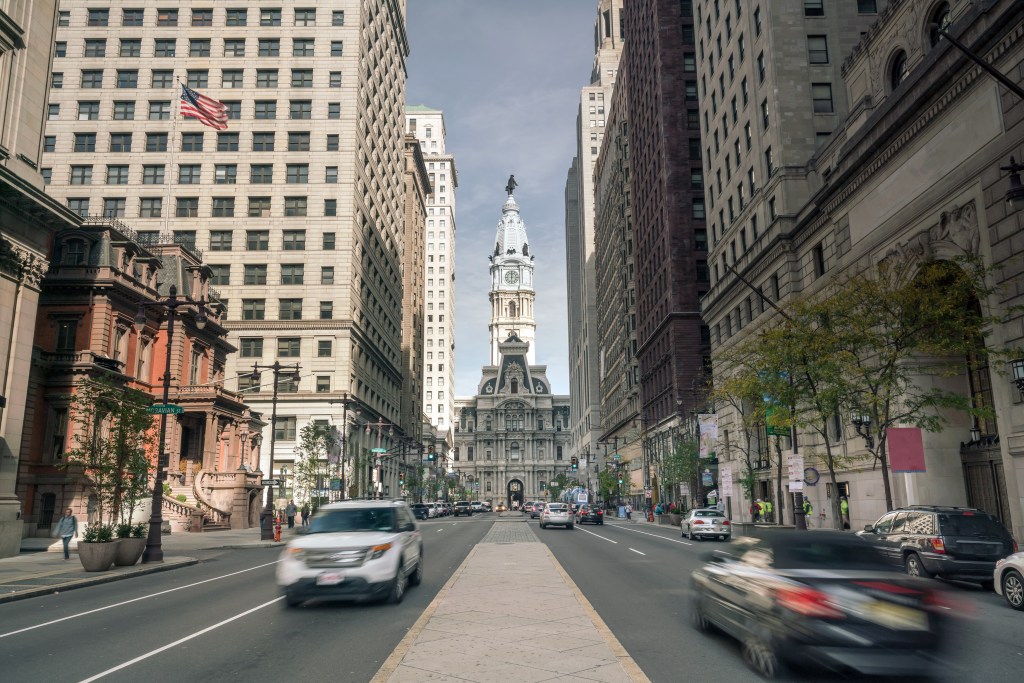
The Pennsylvania Department of Transportation (PennDOT) announced it will invest $13 million from its Automated Speed Enforcement program into six traffic-safety projects across Philadelphia. The funding will support initiatives intended to slow drivers, improve infrastructure, and create safer streets for residents, pedestrians, cyclists, and motorists.
One of the most visible impacts of this investment will be improvements near schools.
Traffic Calming Infrastructure at 100 Schools
A significant portion of the funding will be used to install traffic-calming infrastructure such as speed humps and speed cushions at 100 schools.
These improvements are designed to slow vehicles in areas where children and families regularly travel, helping create safer environments for those walking or biking to school.
Additional traffic-calming measures will also be installed on Lincoln Drive, a high-risk corridor where residents have raised concerns about speeding and serious crashes.
Investments Across Philadelphia Corridors
Beyond school zones, the funding will support a variety of roadway safety improvements designed to protect all road users.
Planned upgrades include:
- Safety and accessibility improvements along major streets
- Intersection improvements to reduce pedestrian and cyclist vulnerability
- New bus boarding islands
- Updated pavement and crosswalk markings
Together, these projects aim to reduce speeding, improve visibility, and make roadways safer.
Continued Commitment to Automated Enforcement
Since speed cameras were implemented in Philadelphia in 2020, the city has seen a 12.8% decrease in serious traffic injuries and a 22.6% decrease in traffic deaths. To continue that progress, a portion of the revenue generated by automated enforcement is being reinvested to expand the program in school zones and other priority locations.
Public support for these efforts remains strong with nearly half of residents saying automated speed enforcement is a high priority for them, reflecting growing recognition that these programs play an important role in improving road safety.
By encouraging safer driving and reinvesting program revenue into infrastructure improvements, automated enforcement programs can help communities build safer streets while delivering lasting safety benefits for everyone.