

Verra Mobility recognized as GovTech 100 company for sixth consecutive year
February 6, 2026
100 Schools to See Safety Improvements: $13M Reinvested in Local Community from Automated Enforcement Programs
March 19, 2026
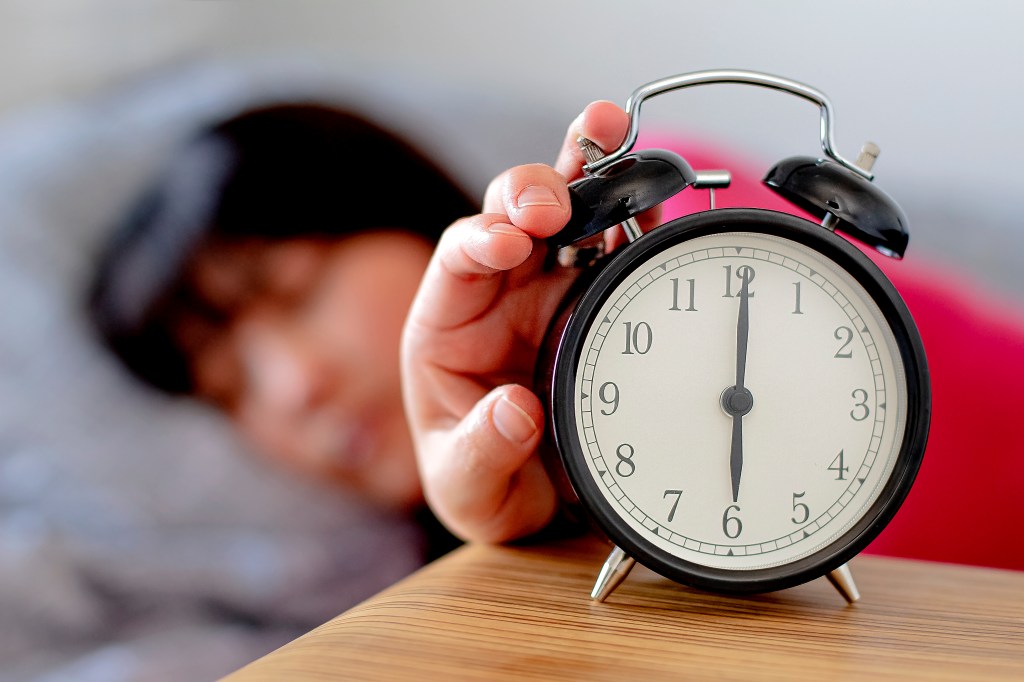
When clocks move forward for Daylight Saving Time, crash risk rises almost immediately. Research from the University of Colorado Boulder found a 6% increase in fatal car crashes in the week following the spring time change, contributing to hundreds of deaths each year. The American Academy of Sleep Medicine has also reported an increase in fatal crash risk in the days after “springing ahead,” particularly during the first few weekdays.
The reason is straightforward: when we lose sleep, our bodies don’t instantly adjust. Even one hour of sleep loss can impair reaction time, alertness, and decision-making. Studies have shown that drowsy driving can affect the brain in ways similar to alcohol impairment, slowing reflexes and reducing awareness. This can lead to lane drifting, missed signals, and delayed reactions. Many drivers underestimate how fatigued they are, which makes the risk even greater. New data from the Governors Highway Safety Association reports that more than 6,300 people died in suspected drowsy driving crashes in 2023 – highlighting the impact of lack of sleep on road safety.
In addition to sleep loss, darker mornings following the time change mean more commuters, pedestrians, and students traveling in low-light conditions, decreasing visibility during busy hours. Our internal body clock can take several days to adjust to the new schedule, leaving many people feeling groggy and unfocused well into the week.
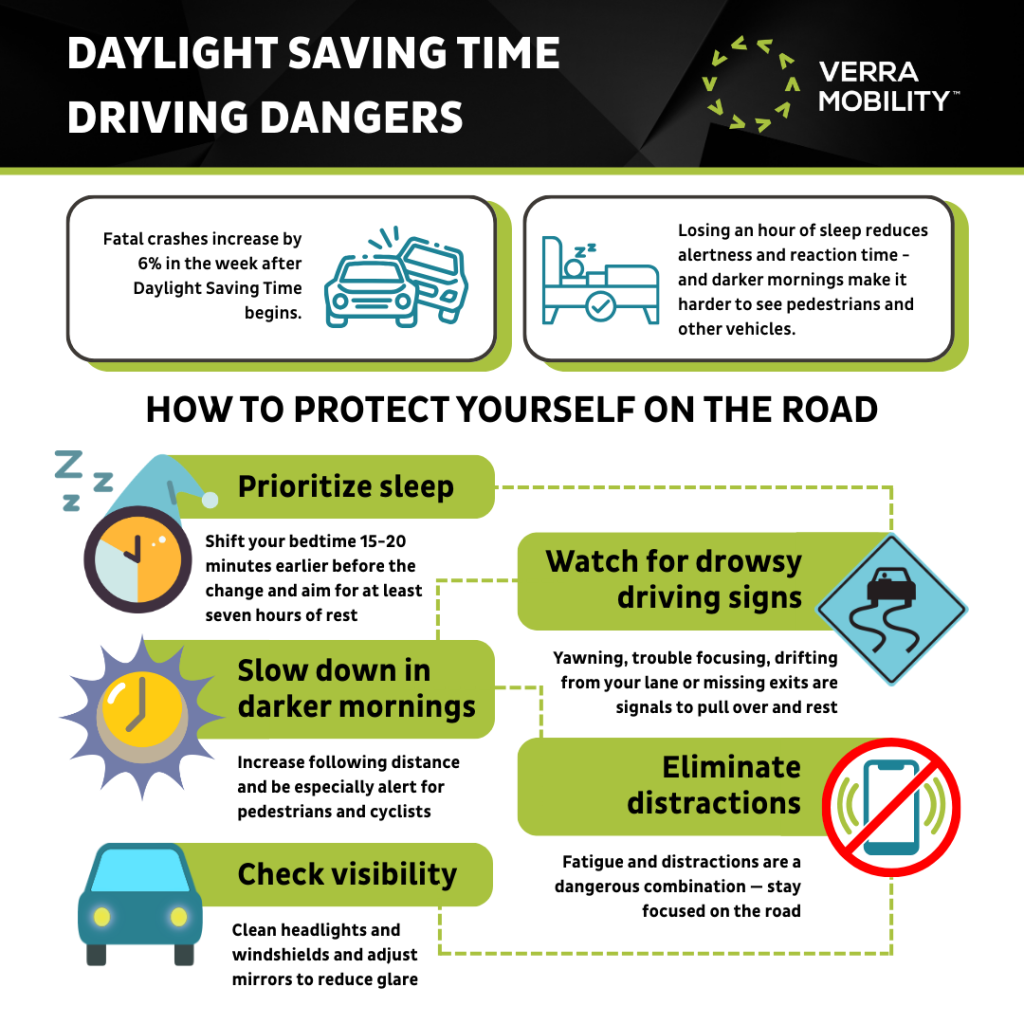
While we can’t avoid the clock change, we can take steps to reduce risk:
- Prioritize sleep. In the days leading up to the time change, shift your bedtime 15–20 minutes earlier each night and aim for at least seven hours of rest.
- Be alert for signs of drowsiness. Frequent yawning, trouble focusing, drifting from your lane, or missing exits are signals to pull over and rest.
- Adjust for darker mornings. Slow down, increase following distance, and watch carefully for pedestrians and cyclists.
- Reduce distractions. Fatigue and distraction are a dangerous combination.
- Check your visibility. Clean headlights and windshields and make sure mirrors are properly adjusted to reduce glare.
Daylight Saving Time may only cost us one hour, but the impact on roadway safety can last much longer. Getting the appropriate amount of sleep, eliminating driving distractions, and adjusting your driving approach for darker mornings can help keep everyone on the road safe.