

Midyear Toll Update: What Fleets Need to Know About Rising Toll Costs in 2026
July 27, 2026
Why Stopping on Red Matters as Micromobility Grows
August 6, 2026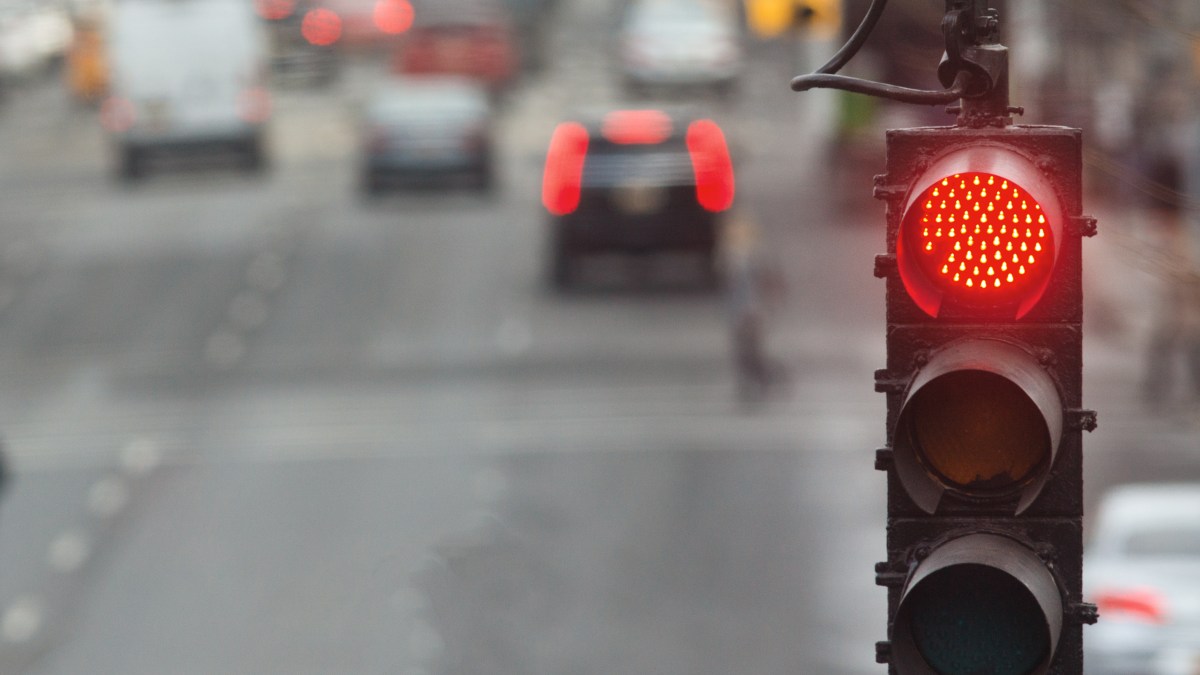
Every driver has experienced that split-second moment at an intersection when another vehicle races through a red light. For a moment, everything depends on timing.
Unfortunately, those moments can have devastating consequences. Right-angle, or T-bone, collisions remain among the most severe crashes on Australian roads, often resulting in serious injuries or fatalities. While enforcement technology has played an important role in encouraging safer driving, there’s an opportunity to go one step further—not just documenting dangerous behaviour after it occurs but preventing crashes before they happen.
That’s the idea behind Red Light Delay, Verra Mobility’s innovative radar-based collision prevention technology.
Moving from Detection to Prevention
Traditional red light enforcement systems are designed to identify violations after a driver has entered an intersection illegally. Red Light Delay takes a different approach.
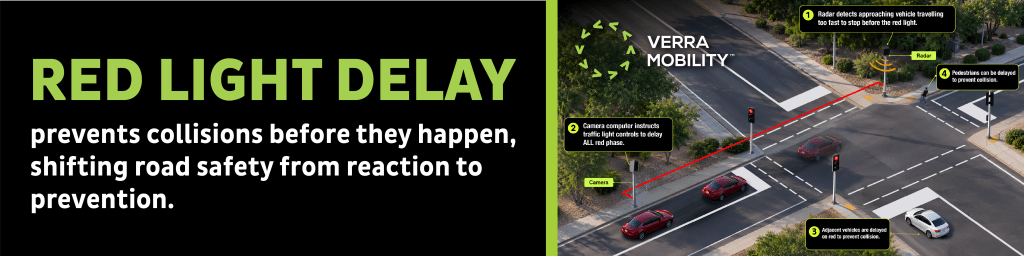
Using radar technology, the system identifies vehicles that are unlikely to stop safely at a red light. When a potential violation is detected, the technology communicates instantly with the traffic signal controller, extending the all-red phase for cross traffic by a brief moment. That small delay keeps other vehicles—and pedestrians—from entering the intersection during what could have been a serious collision. Instead of reacting after a crash becomes inevitable, Red Light Delay creates an opportunity to prevent it altogether.
A Smarter Layer of Intersection Safety
Road safety is most effective when multiple technologies work together. Red Light Delay complements Verra Mobility’s existing red light enforcement solutions by transforming the moment of detection into a moment of intervention.
The technology can also be configured to meet the specific needs of different jurisdictions. For example, it can temporarily delay a pedestrian crossing signal if an approaching vehicle is unlikely to stop, providing an additional layer of protection for vulnerable road users.
Because the system is compatible with both new and existing enforcement cameras—or can operate as a standalone solution—it can be integrated into existing road networks with minimal disruption.
Supporting Australia’s Road Safety Goals
Australia’s road toll has continued to rise in recent years, highlighting the need for new approaches that address the causes of serious crashes before lives are changed forever. Intersections remain one of the highest-risk environments on the road, making them an ideal place to apply predictive safety technology.
By helping prevent high-speed right-angle collisions before they occur, Red Light Delay represents a meaningful shift toward proactive traffic management. It’s an example of how intelligent infrastructure can support safer roads while giving transportation agencies greater flexibility in how they protect their communities.
Looking Ahead
At Verra Mobility, we believe the future of road safety is built on prevention.
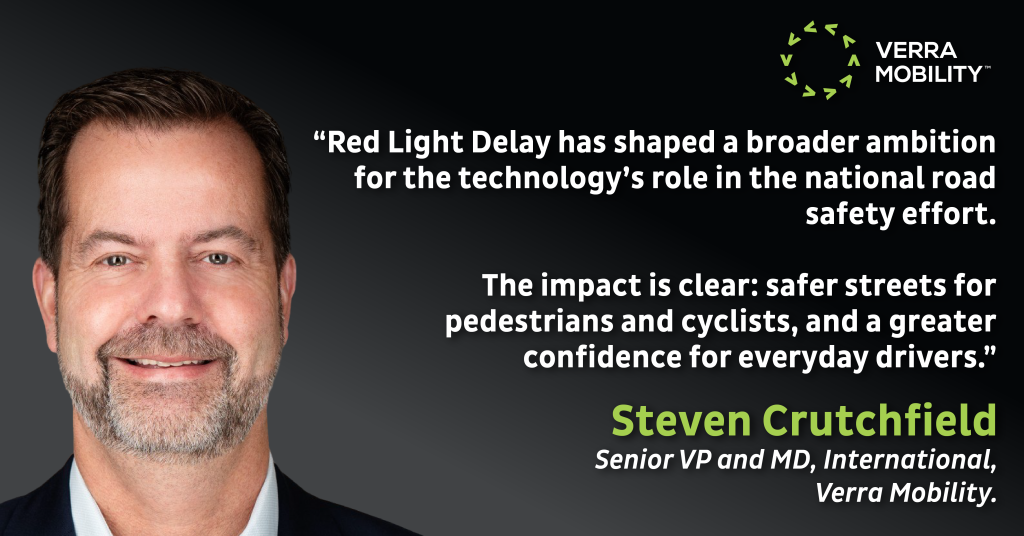
“Our goal is for prevention-first systems like Red Light Delay to become a standard feature of intersection design across Australia,” says Steven Crutchfield, Senior Vice President and Managing Director, International, Verra Mobility. “The impact is clear: safer streets for pedestrians and cyclists, and greater confidence for everyday drivers. Every Australian, wherever they are on the road, should be able to trust that the driver beside them at the red light will not become the reason they don’t make it home.”
As technology continues to evolve, so does our ability to create safer roads. Red Light Delay reflects Verra Mobility’s ongoing commitment to helping communities move beyond enforcement alone and toward a future where intelligent technology helps prevent crashes before they happen.