
Beyond Red Light Cameras: Preventing Crashes Before They Happen
August 3, 2026
The Next Era of Road Safety: How Modern Technology, Policy and Public Trust Will Define the Future Beyond Vision Zero
August 11, 2026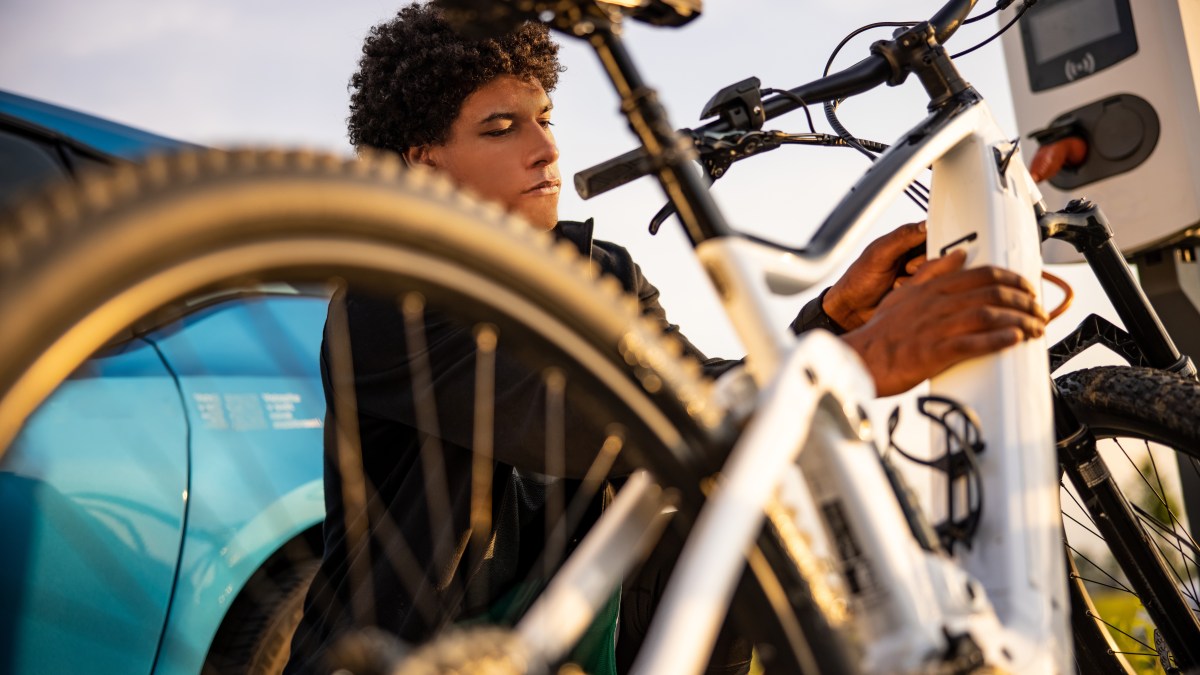
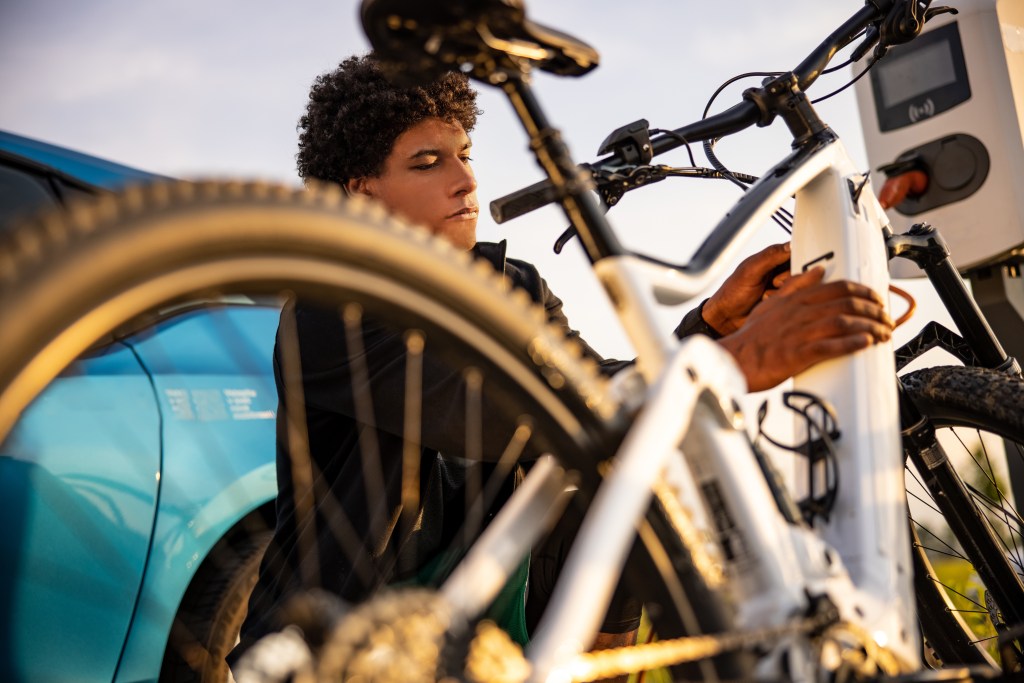
E-bikes, electric scooters, and other forms of micromobility are changing how people travel through communities. They can expand transportation options, replace short car trips, and help people connect with public transit. However, their growing presence also reinforces an important traffic safety reality – intersections can be especially dangerous for people traveling outside a vehicle.
This National Stop on Red Week, communities have an opportunity to consider how red-light running affects an increasingly diverse mix of road users, and why a driver’s decision to stop can be especially important for people traveling without the protection of a vehicle.
A new report from the AAA Foundation for Traffic Safety examines the safety challenges associated with e-bikes, e-scooters, and other micromobility devices. Drawing on more than 120 studies and reports, the researchers found that intersections are among the most significant areas of concern.
The report cites research indicating that half of micromobility collisions occur at intersections. Turning movements, complex signal configurations, and the absence of dedicated lanes can all contribute to conflicts. E-bike riders may face additional risks because motorists sometimes misjudge how quickly an e-bike is traveling or accelerating.
These challenges can make an already complex road environment even less predictable. A motorist approaching an intersection may be watching for another car but fail to see an e-bike or scooter. A rider may be difficult to see because of surrounding traffic, roadway design, or the vehicle’s blind spots. When someone enters the intersection after the light has turned red, the time available for either road user to recognize and avoid the conflict can disappear.
Red-light running puts others at risk
The consequences of red-light running extend well beyond the person making the unsafe choice. According to the Insurance Institute for Highway Safety, 1,119 people were killed, and more than 141,000 were injured in crashes involving red-light running in 2024. Half of those killed were pedestrians, bicyclists, or occupants of vehicles struck by red-light runners.
As e-bikes and scooters become more common, more vulnerable road users are navigating intersections without the seat belts, airbags, or the structural protection provided by vehicles. These devices are smaller and less visible than motor vehicles, but they may travel and accelerate faster than drivers expect. Riders may also approach from a bike lane, sidewalk, or another position outside a motorist’s primary field of view. These factors can make it more difficult to recognize a potential conflict, increasing the consequences when someone enters an intersection after the light has turned red.
This changing mix of road users raises the stakes for communities working to reduce red-light running. Traffic signals create predictable movements and provide each road user with an opportunity to proceed safely. When someone disregards a signal, predictability breaks down, and people outside a vehicle have little protection in a crash.
Communities need a comprehensive approach
The emergence of new modes of transportation requires communities to look carefully at whether their streets and safety strategies reflect how people travel today. Communities that address infrastructure, policy, data, and driver behavior rather than treating micromobility safety as a single issue are better positioned to improve road safety and save lives.
Education and enforcement remain essential parts of this work. Public education can help all road users understand how to safely navigate and share intersections, while consistent enforcement reinforces the importance of obeying traffic signals. Automated safety programs can support law enforcement by providing consistent enforcement.
Research shows that red light safety programs can change behavior and reduce serious crashes. An IIHS study found that red-light safety cameras reduced the rate of fatal red-light-running crashes in large cities by 21%. In cities that ended their camera programs, the rate increased by 30%.
Technology alone cannot address every factor contributing to intersection crashes. But when combined with thoughtful roadway design and public education, it can be part of a comprehensive strategy to protect all road users.
Designing safer intersections for all
As micromobility continues to expand, communities will need to evaluate intersections based on the full range of users, not just motor vehicles. National Stop on Red Week provides a timely opportunity to begin that conversation. By bringing roadway design, traffic data, education, and enforcement together, agencies can create intersection safety strategies that better reflect how people travel today and how they will travel in the future.