

Verra Mobility Expands Title & Registration Coverage to 18 States, Helping Fleets Reduce Registration Complexity
October 8, 2026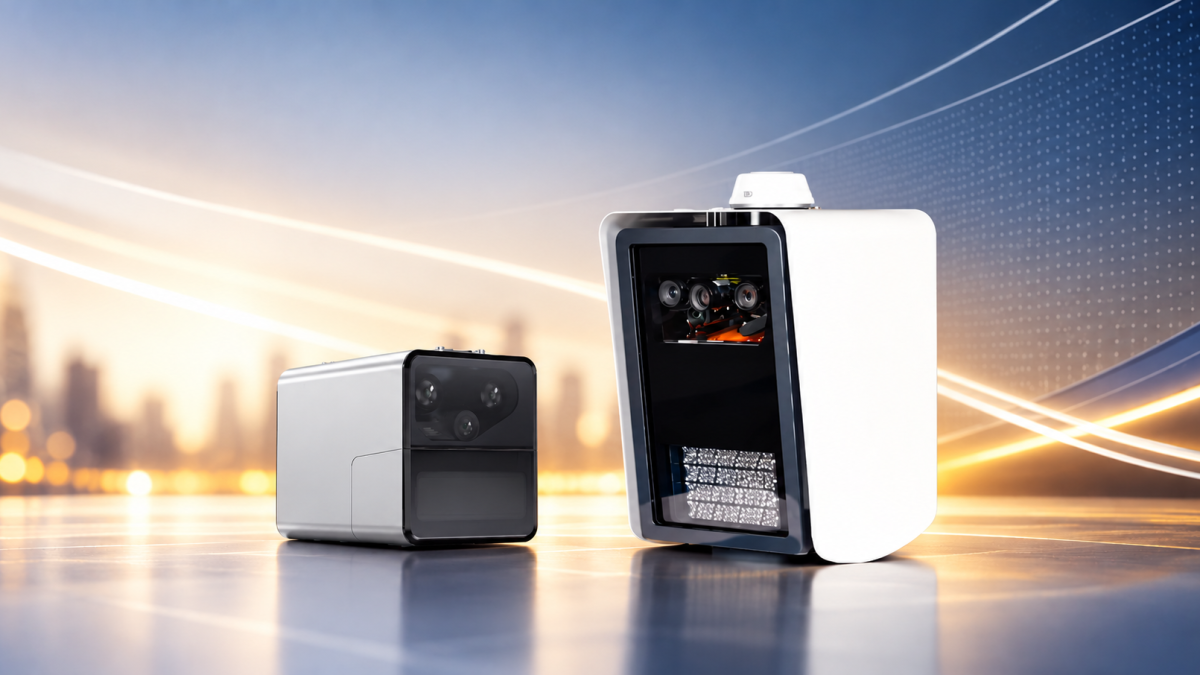
Road safety agencies increasingly need enforcement technology that addresses different priorities, from speeding across multiple lanes to red-light compliance at busy intersections. Flexible deployment options offer different approaches to suit each location, the safety issue at hand and the wider road safety program, while providing opportunities to build in additional options as needs change.
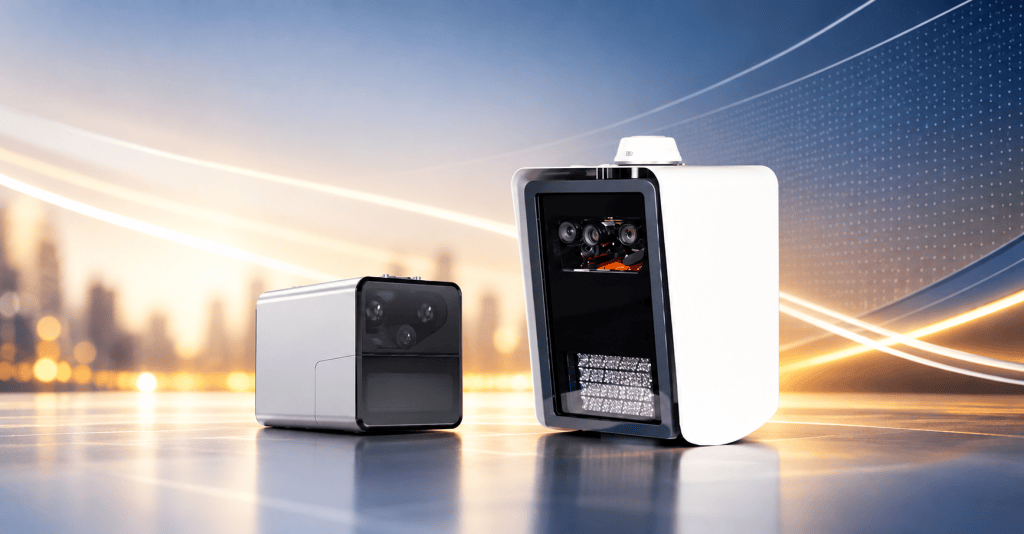
Verra Mobility has launched Halo 2.5 and NK9, two new road safety camera platforms designed and engineered in Australia. Building on the widely adopted Halo 2 and NK7 generations, the new systems combine established enforcement technology with expanded artificial intelligence capabilities and more options for deployment.
Fixed and mobile enforcement for local priorities
Halo 2.5 is a fixed road safety camera that supports red-light detection, speed enforcement, point-to-point average speed enforcement and Automated Number Plate Recognition (ANPR). Advanced radar and AI capabilities support these applications, while its compact, one-pole design allows fast installation, or it can be mounted on existing poles or street infrastructure. This helps reduce civil works and installation requirements for permanent and semi-permanent deployments.
For agencies that need mobile enforcement, NK9 combines advanced radar with on-device AI to monitor up to six lanes of traffic travelling in both directions. It supports spot speed, point-to-point average speed, ANPR and vehicle-of-interest detection. The compact system can be deployed from vehicles, trailers, tripods or semi-fixed installations without civil works, giving agencies more ways to respond to local road safety priorities.
Additional capabilities through AI
Both platforms use advanced radar with onboard AI to support vehicle tracking, matching and classification validated on the device.
Depending on the platform and configuration, additional applications can be added, for example, helmet detection or Verra Mobility’s Red Light Delay system.
Although AI ensures reviews are faster and more consistent, every AI finding is reviewed by a trained person. Both the NK9 and Halo 2.5 platforms are still designed for human verification wherever they are deployed.
Connecting detection with incident management
Both platforms can integrate with Verra Mobility’s Alcyon end-to-end infringement management software, connecting roadside detection and validation with incident processing and management.
This connection supports agencies as they manage the steps from detecting an incident through to final resolve. The camera captures the evidence then Alcyon turns it into action and shows you whether it worked. The systems combined offer capture, review, issue, resolve and the final report in one easy to use platform.
Australian engineering backed by international experience
The new cameras draw on Verra Mobility’s international enforcement experience, with earlier platforms deployed across Australia, New Zealand, the United States, the UK and Europe. Verra Mobility serves more than 300 customers worldwide, operates over 10,000 road safety cameras and processes 65 million traffic incidents globally.
“Halo 2.5 and NK9 build on platforms already used by road safety agencies around the world. Designed and engineered in Australia, they bring additional AI capabilities to technology that agencies know and rely on,” said Steven Crutchfield, Senior Vice-President Managing Director International at Verra Mobility.
Halo 2.5 and NK9 extend that experience to agencies seeking to expand their enforcement programs, with fixed and mobile options designed to support their local needs.