

Protected: How to Avoid Red Light Camera Violations (the Right Way)
January 20, 2026
Verra Mobility Partners with Rental Car Provider Locauto Group to Bring a Seamless Electronic Toll Payment Solution to Drivers in Italy
January 28, 2026

By Cathi Chinn, Vice President, Innovation, Commercial Services
The automotive industry is in the midst of a transformation, and one of the hottest debates right now centers on how drivers pay for the features in their vehicles. Should advanced capabilities like heated seats, autonomous driving modes, or premium connectivity come as standard, or should they be unlocked later through paid add-ons? And how does this compare to the growing trend of bundled subscription services?
The Rise of Paid Add-Ons
Companies like Tesla have popularized the idea of software-driven upgrades. Owners can purchase features after buying the car, sometimes months or years later. While this model offers flexibility, many drivers feel frustrated. Paying extra for something that’s already built into the car can feel like nickel-and-diming, especially when the hardware is present but locked behind a paywall.
The Case for Bundled Subscriptions
On the other side of the debate, subscription models are gaining traction. Instead of one-time add-on fees, automakers are offering packages that include multiple services; navigation, entertainment, safety enhancements, and more, for a predictable monthly cost. It mirrors how consumers already interact with streaming platforms and mobile apps, where access and flexibility matter more than ownership.
What Drivers Really Want
At the heart of this conversation is consumer sentiment. Drivers want choice, transparency, and value. Add-ons that appear late in the ownership cycle can feel limiting, while subscription options tend to offer more adaptability, especially when they activate only when needed.
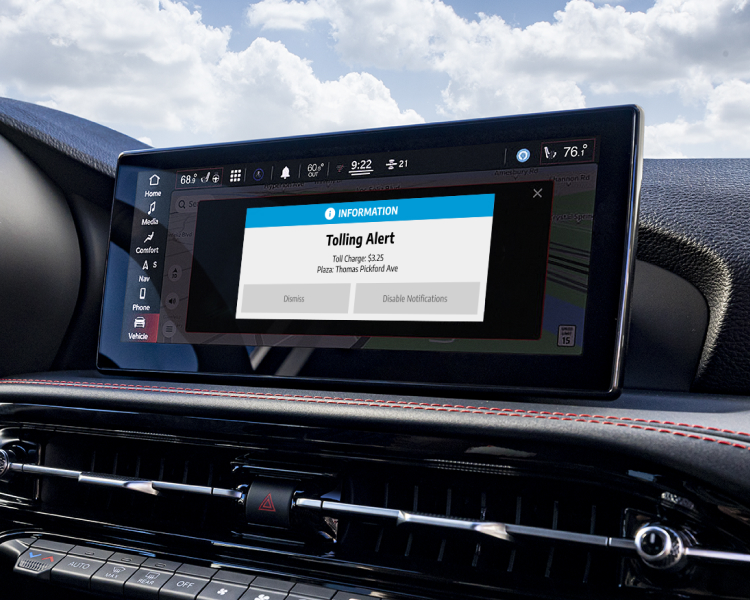
We’re already seeing this mindset appear in practical mobility services. Some connected-vehicle payment solutions, such as AutoKinex™, have moved toward “use-based” subscription models that turn on only when the driver actually uses the service. It’s a small but meaningful example of how automotive brands can give drivers more control over when they pay, instead of locking important capabilities behind permanent add-on fees.
This kind of approach resonates with today’s drivers: the freedom to customize without feeling penalized, and the ability to scale features up or down as life changes.
Looking Ahead
As vehicles become more connected and software-driven, automakers must balance profitability with customer satisfaction. The winners in this space will be those who offer clear choices, fair pricing, and the flexibility to personalize the driving experience in ways that feel intuitive - not transactional.
The debate isn’t going away anytime soon, but one thing is clear: flexibility is the future of mobility.
Shape the Future of Digital Mobility
From software-defined vehicles to secure in-car payments, the industry is moving fast, and fleets need to keep pace.
Let’s talk about how Verra Mobility can help you integrate smarter, connected solutions that keep your drivers moving seamlessly in this new digital era.
Start the conversation today.
Post Topics
Related Posts
Verra Mobility launches AutoKinex for secure, in-vehicle payments
Read More about Verra Mobility launches AutoKinex for secure, in-vehicle payments
Smart Mobility Connected Vehicle Survey: 51% of Americans find the idea of a vehicle being a “digital wallet” appealing
Read More about Smart Mobility Connected Vehicle Survey: 51% of Americans find the idea of a vehicle being a “digital wallet” appealing