
Verra Mobility to Build Safer Streets Through California’s Largest Speed Safety Program
June 15, 2026
Speeding Through Summer: Peak Travel Season is Becoming More Dangerous
June 26, 2026
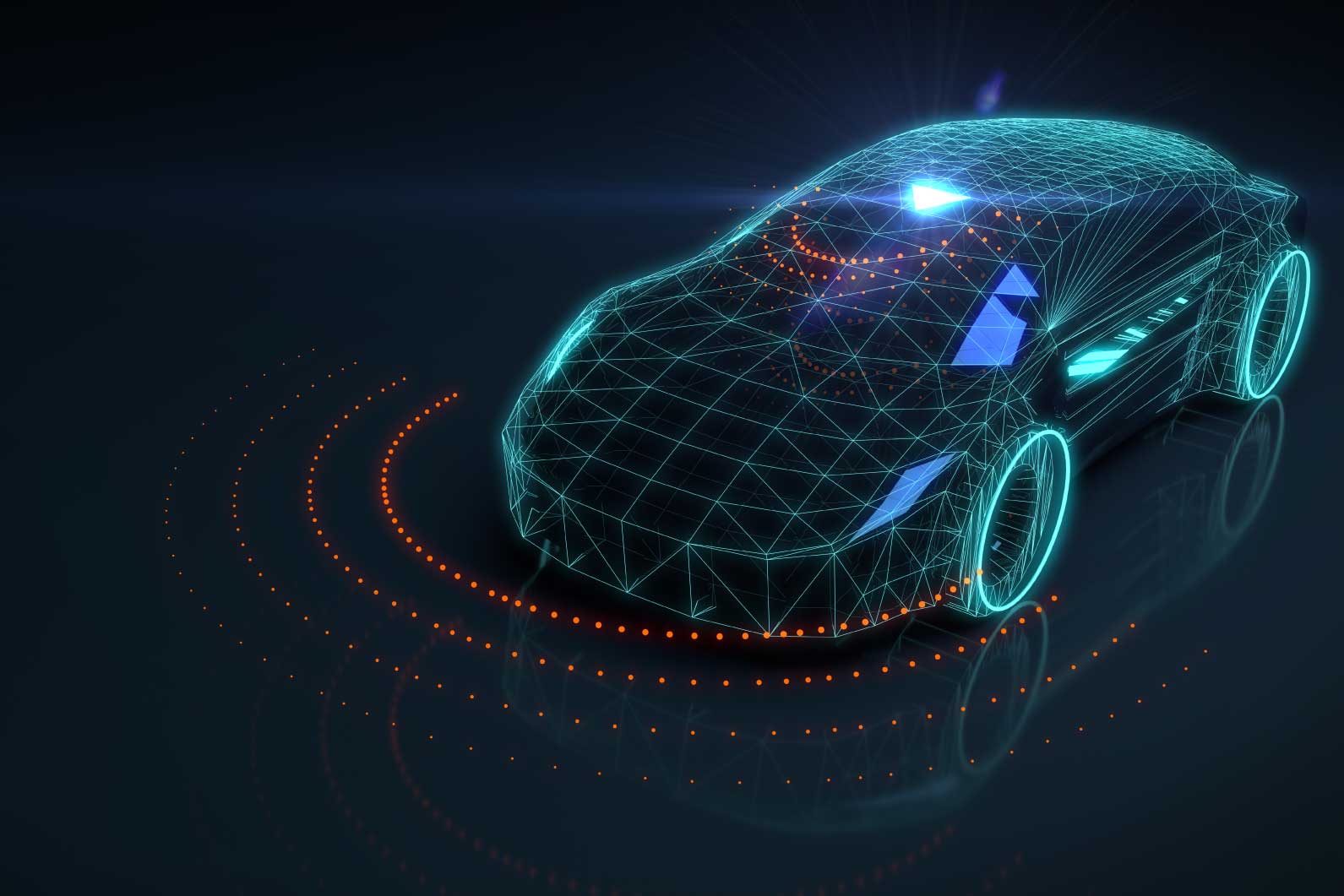
The future of transportation is being shaped by systems that connect vehicles, infrastructure, and digital services into a unified network. Verra Mobility is helping build this future by enabling connected vehicle services that integrate directly with transportation systems and mobility platforms. As these systems evolve, vehicles are becoming active participants in intelligent transportation ecosystems rather than isolated machines.
Modern vehicles are increasingly capable of interacting with transportation networks, mobility platforms, and digital payment systems. These capabilities allow vehicles to support services that simplify travel, reduce friction in mobility transactions, and generate data that helps improve how transportation systems operate.
At the center of this shift is connected vehicle technology, which enables vehicles to exchange information with infrastructure, mobility providers, and cloud platforms in real time.
At Verra Mobility, smart mobility is not a future concept. It’s an operational reality shaped by years of working with agencies, fleets, automakers, and infrastructure operators at scale.
The Rise of Smart Mobility Ecosystems
In practice, smart mobility depends on how vehicles, infrastructure operators, payment systems, and agencies work together in day-to-day operations, not just how they connect on a diagram. These systems combine vehicle connectivity, data analytics, and infrastructure integration to create a more coordinated transportation network.
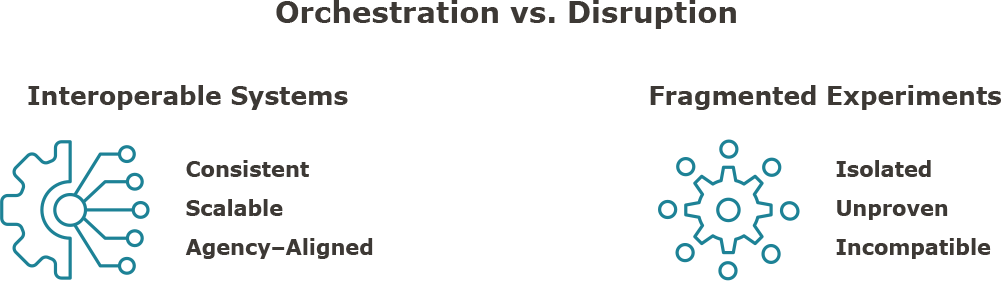
Many smart mobility initiatives focus on innovation at the surface level, but struggle to scale when they encounter fragmented infrastructure, regulatory complexity, and real-world operational constraints. Systems that succeed are those designed from the start to work across agencies, fleets, and infrastructure operators, aligning how each participant operates together at scale.
Smart mobility will not be won by standalone innovations, but by platforms already embedded in how agencies, fleets, and infrastructure operators work today.
Connected vehicles play a critical role in these ecosystems because they act as data-generating platforms capable of communicating with mobility services and infrastructure systems. As more vehicles become connected, transportation networks can respond more dynamically to traffic conditions, mobility demand, and infrastructure constraints.
For example, connected vehicles can support systems that enable:
- Real-time traffic monitoring and routing
- Automated tolling and mobility payments
- Integration with parking and fueling infrastructure
- Data-driven traffic management strategies
- Improved fleet operations and coordination
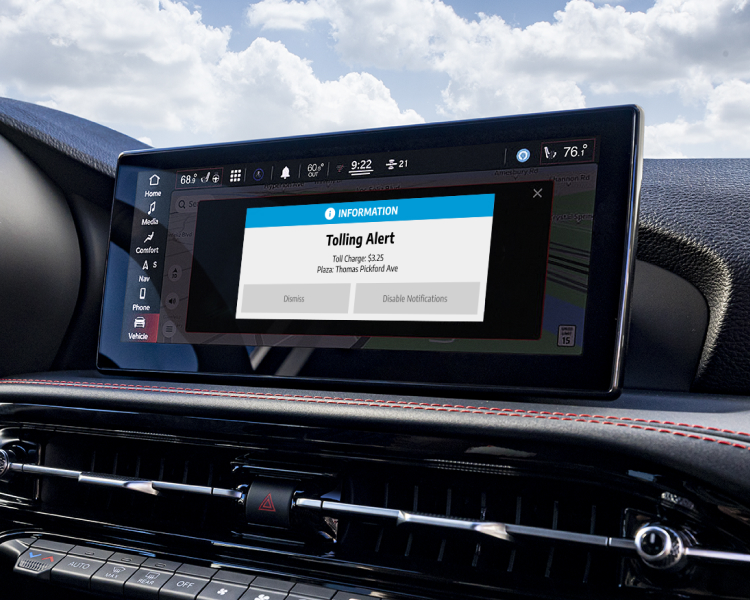
Many of these capabilities are powered by connected vehicle services such as tolling, fueling, and parking payments, which allow vehicles to interact directly with transportation systems.
Platforms that enable this ecosystem must operate across fragmented infrastructure environments, requiring both embedded vehicle integration and scalable cloud-based systems.
Connected Vehicles as Mobility Platforms
Historically, vehicles were designed primarily as mechanical systems. Today, automakers are increasingly designing vehicles as digital platforms capable of delivering services that extend beyond transportation.
This shift is closely tied to the rise of software-defined vehicles, where software platforms determine how vehicles operate and what capabilities they provide.
Through connected platforms, vehicles can support:
- Integrated digital services
- Real-time updates and software upgrades
- Vehicle-based payment systems
- Diagnostics and predictive maintenance
- Mobility service integrations
These capabilities allow automakers to improve the driver experience while coordinating services across infrastructure operators, fleets, and mobility providers behind the scenes. That coordination is what turns connected vehicles from standalone platforms into participants in larger transportation systems that must function consistently across regions and partners.
Understanding how OEMs use connected vehicle services to improve driver experience highlights why these platforms are becoming essential to modern automotive strategies.
The Role of Intelligent Transportation Technology
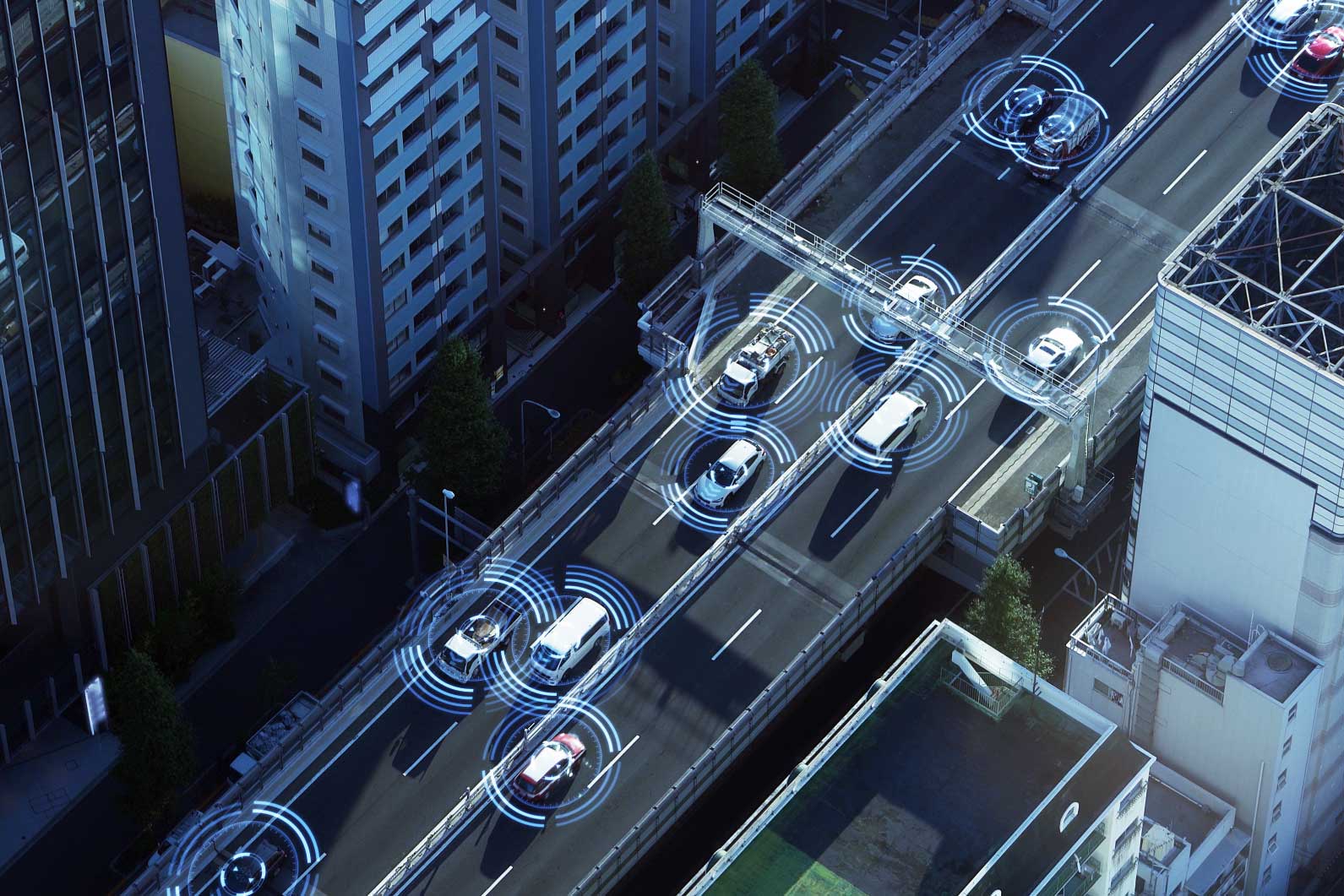
Connected vehicles are also enabling the growth of intelligent transportation technology. These systems use real-time data and infrastructure integration to improve traffic flow, increase safety, and reduce congestion.
Transportation agencies and infrastructure operators can use connected vehicle data to coordinate traffic management, tolling, and roadway operations in ways that align vehicle behavior with real‑world system constraints. This information supports coordinated decision-making between agencies, operators, and mobility partners, improving how transportation systems function as a whole. Connected vehicle data may support initiatives such as:
- Dynamic traffic management
- Road usage charging models
- High-occupancy vehicle (HOV) verification
- Infrastructure planning and optimization
- Safer roadway operations
Verra Mobility’s approach to connected mobility supports these use cases by enabling real-time, infrastructure-integrated services without requiring additional roadside hardware.
As connected vehicles become more widespread, these capabilities are already contributing to more responsive and efficient transportation systems in live agency and infrastructure environments.
Expanding In-Vehicle Digital Services
The continued growth of connected mobility ecosystems is expanding the number of services vehicles can support. As connectivity improves and digital platforms evolve, vehicles increasingly function as hubs for mobility services.
These services may include:
- In-vehicle toll payments and mobility transactions
- Parking discovery and digital payment systems
- Fueling and EV charging integrations
- Fleet monitoring and operational tools
- Mobility service subscriptions and upgrades
These capabilities are part of a broader shift toward vehicles acting as digital commerce platforms, where transactions and services are integrated directly into the vehicle experience.
This evolution reflects the growing importance of digital mobility services across the automotive and transportation industries.
Data and Analytics in the Smart Mobility Ecosystem
Connected vehicles generate large volumes of mobility data that can help improve transportation efficiency and operational performance. Telematics data provides insight into vehicle usage, traffic patterns, and system interactions.
As these data streams expand, analytics platforms are becoming essential for interpreting and acting on this information. Analytics platforms in smart mobility are built on real transaction and infrastructure data, helping agencies, fleets, and OEMs turn everyday vehicle interactions into operational insight.
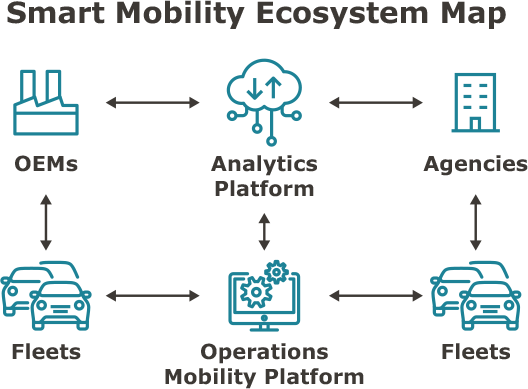
Smart mobility works when vehicles, agencies, fleets, and infrastructure operate on platforms designed for real‑world coordination, not isolated innovation.
For example, platforms such as Mira Insights can analyze mobility data and provide actionable recommendations that help organizations identify trends, prioritize issues, and improve operational decision-making.
These analytics capabilities are a key component of the smart mobility ecosystem, helping organizations turn data into meaningful improvements in how transportation systems operate.
Challenges and Opportunities for the Future
While connected mobility technologies offer significant advantages, they also introduce challenges that must be addressed as systems scale.
Key considerations include:
- Ensuring reliable connectivity across different regions
- Protecting vehicle data and digital transactions
- Integrating vehicles with diverse infrastructure systems
- Maintaining interoperability across platforms and partners
Addressing these challenges requires orchestrating how automakers, fleets, agencies, and infrastructure operators work together across vehicles, platforms, and regulations. Without that orchestration, even advanced connected technologies risk becoming fragmented solutions rather than scalable transportation systems.
As these systems continue to evolve, ensuring strong data privacy and security in connected vehicles will remain essential to building trust and enabling long-term adoption.
Preparing for the Future of Connected Mobility
Connected vehicle technology is already reshaping transportation systems. By enabling vehicles to communicate, transact, and integrate with infrastructure, these systems support more efficient and coordinated mobility networks.
As smart mobility ecosystems continue to expand, organizations will need platforms that can operate reliably across infrastructure networks, vehicle systems, and geographic regions.
Verra Mobility’s connected vehicle services platform is built to support how intelligent transportation systems operate today by working directly with agencies, fleets, and infrastructure operators at scale.
Frequently Asked Questions
What is smart mobility?
Smart mobility refers to transportation systems that use connected technology, data, and infrastructure to improve how people and goods move.
How do connected vehicles support smart mobility?
Connected vehicles exchange data with infrastructure and mobility platforms, enabling services such as tolling, traffic management, and digital mobility transactions.
What is intelligent transportation technology?
Intelligent transportation technology includes systems that use data and connectivity to improve traffic flow, enhance safety, and optimize infrastructure.
How will connected vehicles shape the future of transportation?
Connected vehicles will enable more efficient transportation networks by supporting real-time data exchange, integrated services, and infrastructure coordination.
Why are automakers investing in connected mobility platforms?
Automakers are investing in connected platforms to deliver better driver experiences, support digital services, and remain competitive in a rapidly evolving mobility landscape.
Shape the Future of Digital Mobility
From software-defined vehicles to secure in-car payments, the industry is moving fast, and fleets need to keep pace.
Let’s talk about how Verra Mobility can help you integrate smarter, connected solutions that keep drivers moving seamlessly in this new digital era.
Start the conversation today.
Post Topics
Related Posts
The Great Debate: Paying Upgrades for Connected Car Features vs. Subscription Flexibility
Read More about The Great Debate: Paying Upgrades for Connected Car Features vs. Subscription Flexibility
Verra Mobility launches AutoKinex for secure, in-vehicle payments
Read More about Verra Mobility launches AutoKinex for secure, in-vehicle payments