
Memorial Day Driving Trends: Speeding Rebounds Sharply as Summer Travel Begins
May 18, 2026
Oakland’s Speed Camera Numbers Are In. Here’s What They Mean.
June 2, 2026
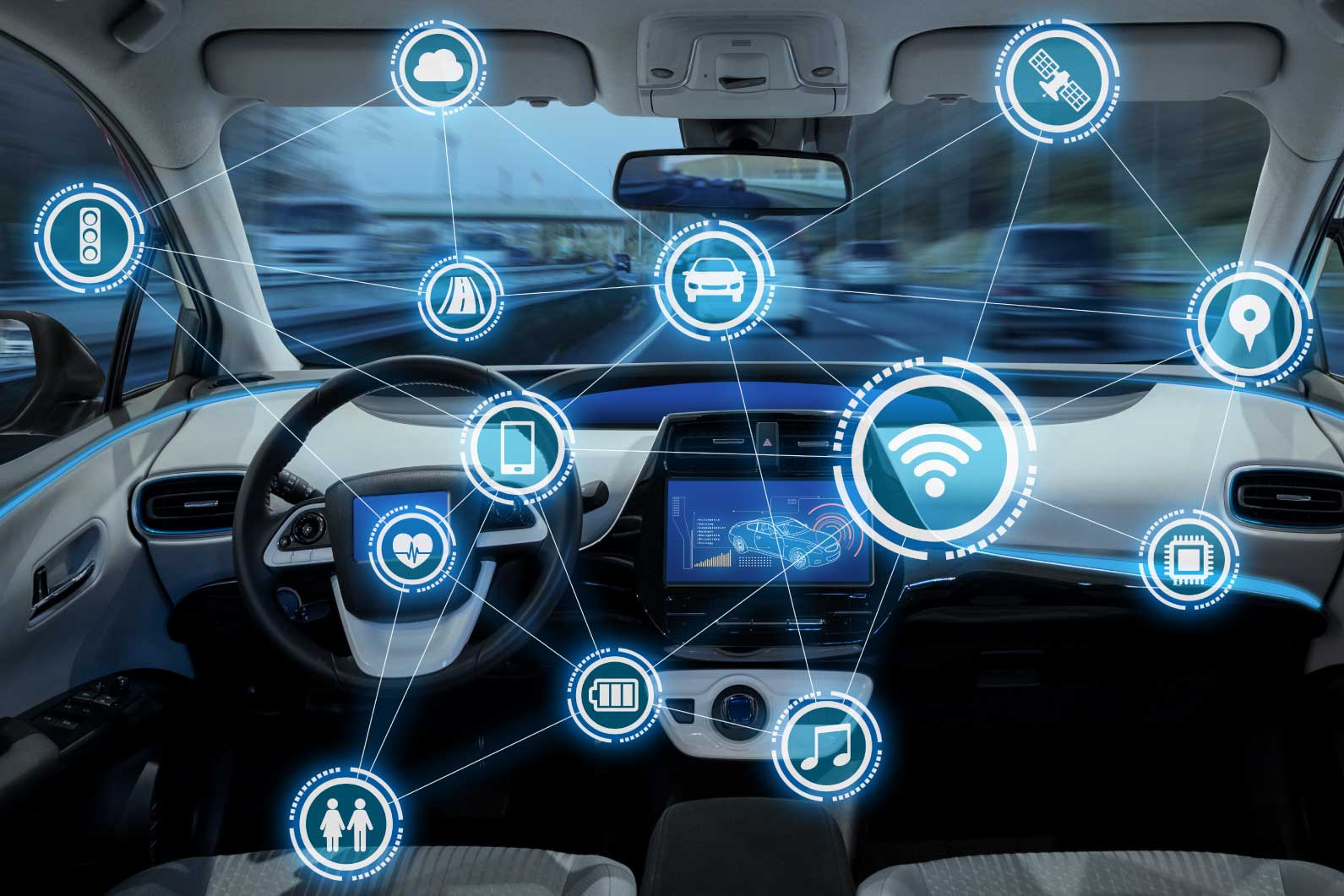
Connected vehicle technology is redefining how vehicles operate within modern transportation systems. Across tolling networks, fleets, and mobility platforms, vehicles are expected to communicate, transact, and interact with infrastructure in real time. Verra Mobility supports these systems by enabling connected vehicle capabilities that function reliably across regions, vehicle ecosystems, and complex infrastructure environments.
But connectivity alone does not create value. What matters is what vehicles can actually do with that connectivity, especially within real-world transportation systems that require accuracy, scale, and reliability. For automakers, fleets, and agencies, connected vehicle technology is not just about data. It is about enabling transactions, automating processes, and integrating vehicles directly into the infrastructure that supports everyday mobility.
Verra Mobility sees this evolution as part of a broader shift toward smart mobility, where vehicles, infrastructure, and digital services work together to create safer and more efficient transportation experiences. As explained in our guide to connected vehicle services, these technologies are already enabling vehicles to support automated toll payments, in-vehicle transactions, and digital mobility services that simplify everyday travel. Understanding how connected vehicle technology works is essential for organizations looking to deploy systems that operate reliably across vehicle brands, regions, and transportation networks.
What Is Connected Vehicle Technology?
Connected vehicle technology refers to systems that allow a vehicle to communicate with external networks, services, and infrastructure. This connectivity enables vehicles to exchange data with mobility platforms, transportation systems, and digital services to support real-world use cases.
These systems rely on a combination of telematics hardware, embedded software, sensors, and connectivity technologies that allow vehicles to send and receive information.
In practical terms, connected vehicle technology allows vehicles to:
- Communicate with platforms that power mobility services
- Interact directly with transportation infrastructure such as tolling systems
- Transmit diagnostics and vehicle health data
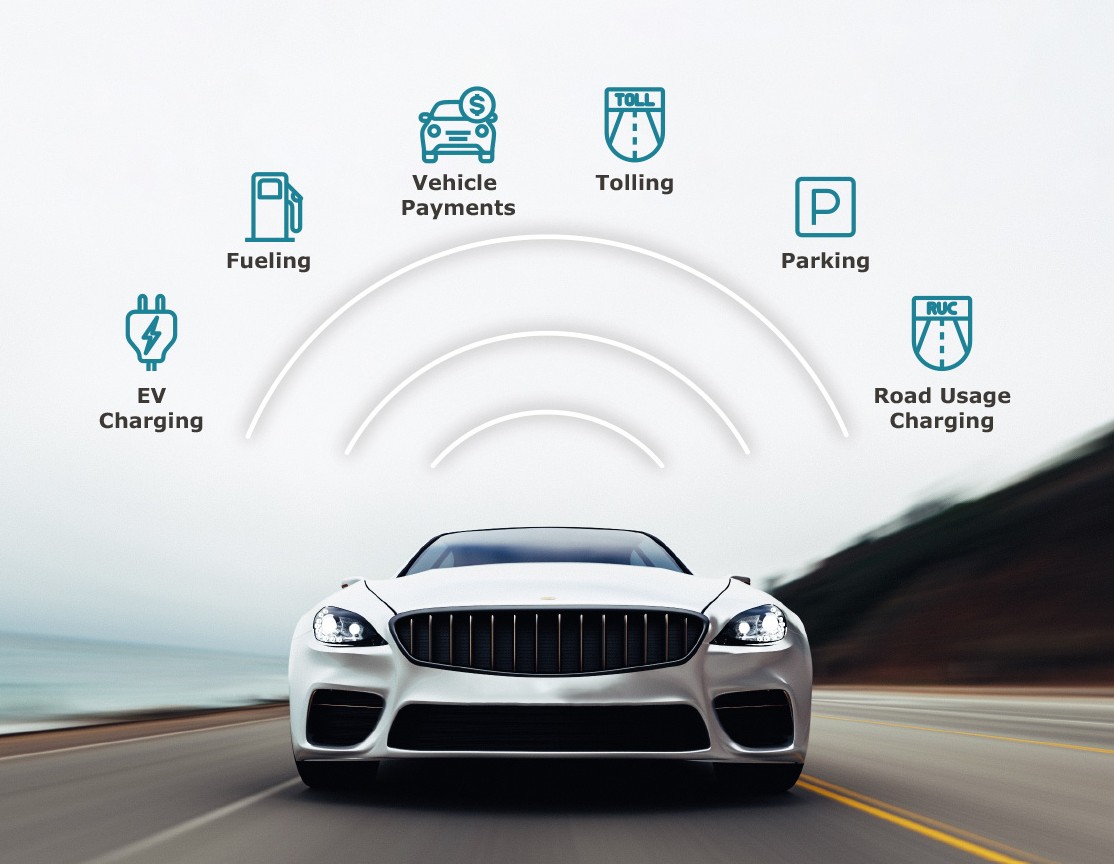
- Support in-vehicle payments for services like parking or fueling
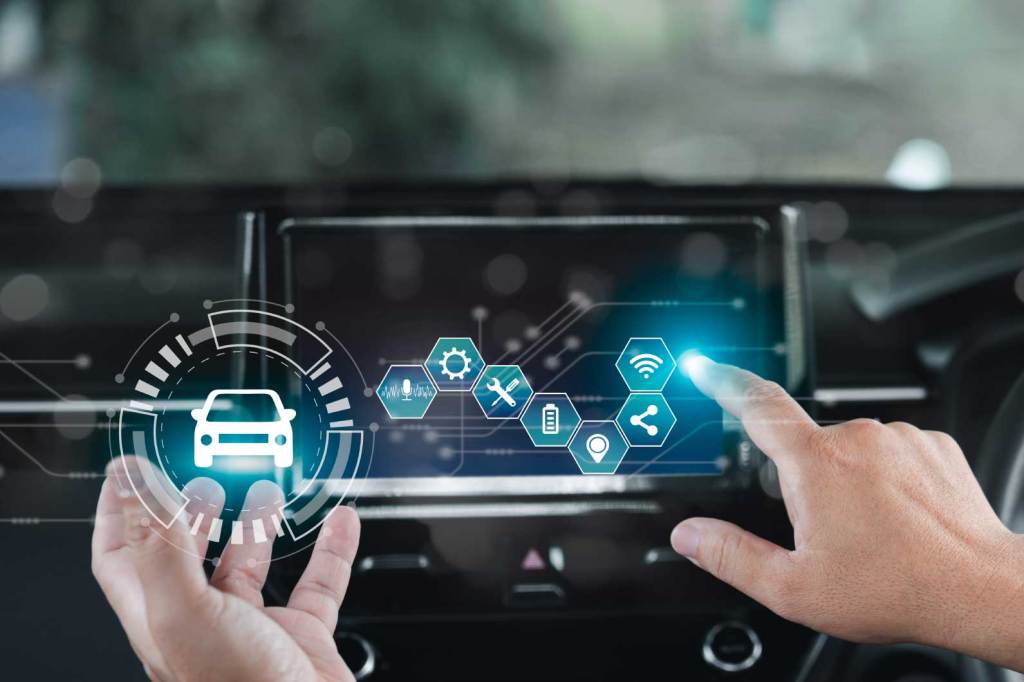
- Deliver digital driver experiences through integrated vehicle systems
While these capabilities are often described in technical terms, their real value comes from enabling consistent, reliable interactions between vehicles and the systems they depend on every day.
From Connectivity to Real-World Mobility Systems
Many discussions around connected vehicles focus on future possibilities. In reality, connected vehicle systems are already operating at scale across toll roads, fleets, rental networks, and transportation agencies.
These systems must function across different jurisdictions, infrastructure types, and regulatory environments. That complexity is where connected vehicle platforms either succeed or fail. When systems aren’t designed for this reality, the result is missed toll transactions, disputed charges, or services that work in one region but break down as soon as a vehicle crosses a border or interacts with a different agency.
Platform-agnostic systems such as AutoKinex are designed specifically to operate across vehicle brands, tolling agencies, and infrastructure networks. This allows automakers and mobility partners to deploy connected services that work consistently in real-world environments rather than in isolated pilot programs.
This ability to operate reliably across fragmented transportation systems is a key requirement for connected mobility to scale.
How Connected Vehicles Communicate
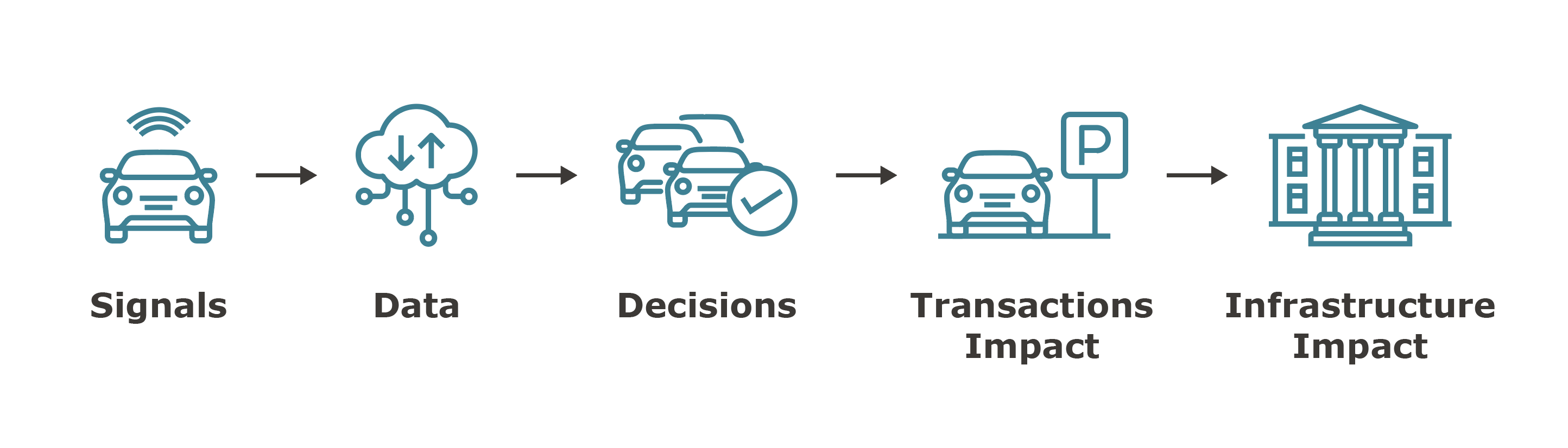
Connected vehicles communicate through a combination of onboard vehicle systems and external connectivity networks. These systems work together to collect, transmit, and process information that powers digital mobility services.
Several technologies typically enable this communication:
Telematics Systems
Telematics systems collect and transmit vehicle data such as location, speed, and operational status. These systems allow vehicles to interact with mobility platforms that support services like toll verification, diagnostics, and fleet operations.
Embedded Connectivity
Many modern vehicles include built-in connectivity modules that allow them to communicate directly with mobility services and infrastructure systems. This enables real-time interactions such as transaction processing and service activation.
Vehicle Software Platforms
Connected vehicle services rely on software platforms that integrate directly with the vehicle’s digital systems. This allows automakers to deliver services through the vehicle interface rather than relying on external apps.
Cloud Infrastructure
Cloud systems process and manage the data exchanged between vehicles and mobility platforms. These systems enable connected services to scale across large fleets and geographic regions.
However, cloud connectivity is only part of the architecture. Many connected vehicle platforms can also be embedded directly within the vehicle’s software environment, allowing core functionality to continue even when connectivity is limited. This hybrid approach improves reliability and ensures that services remain available across different driving conditions.
What Connected Vehicle Services Can Do
Connected vehicles support a wide range of services that extend beyond basic connectivity. These services enable vehicles to interact directly with transportation systems and digital platforms.
For example, connected vehicles can enable:
- Automatic toll payments without transponders
- In-vehicle payments for fueling, parking, and charging
- Real-time vehicle diagnostics and maintenance alerts
- Remote vehicle monitoring and fleet management tools
- Digital services integrated directly into the vehicle interface
These capabilities are not just about convenience. They reduce errors, streamline transactions, and eliminate manual processes that traditionally create friction for drivers and operators.
These innovations are part of a broader shift toward connected vehicle services like tolling, fueling, and digital mobility payments, which are increasingly being embedded directly into vehicle ecosystems.
Why Automakers Are Investing in Connected Vehicle Technology
Automakers are investing in connected vehicle platforms because digital services are becoming a core part of the ownership experience, not an optional feature.
Drivers increasingly expect vehicles to deliver seamless, integrated digital services. At the same time, automakers are recognizing that disconnected or fragmented service experiences can weaken customer relationships and limit long-term engagement.
Connected technologies allow automakers to maintain ongoing relationships with customers throughout the lifecycle of the vehicle.
Connected services can help automakers:
- Improve the driver experience through integrated, reliable services
- Strengthen customer relationships beyond the initial vehicle purchase
- Launch scalable digital services across vehicle platforms
- Create new software-driven revenue opportunities
These capabilities are increasingly tied to brand differentiation and long-term customer retention.
Connected Vehicles and the Future of Smart Mobility
Connected vehicle technology is already playing a central role in shaping transportation systems. As more vehicles become connected, they contribute to a broader network of infrastructure, mobility services, and data-driven systems.
This connectivity supports more efficient traffic management, streamlined mobility transactions, and improved coordination between vehicles and infrastructure.
The continued expansion of connected vehicle systems will support advances in intelligent transportation technology and integrated mobility networks. These developments are part of a larger shift toward the future of smart mobility and connected transportation technology, where vehicles operate as active participants within transportation ecosystems.
Security and Data Protection in Connected Vehicles
As vehicles become more connected, protecting data and maintaining system security becomes increasingly important. Connected vehicle platforms must support secure communication between vehicles, mobility services, and infrastructure systems.
Automakers and mobility providers are implementing encryption, authentication protocols, and data protection frameworks to ensure that connected systems operate securely.
Strong security practices are not just a technical requirement. They are essential for enabling connected services to scale across regions, partners, and regulatory environments.
Understanding data privacy and security in connected vehicles is critical as digital mobility ecosystems continue to expand.
The Road Ahead for Connected Vehicles
Connected vehicle technology is redefining how vehicles interact with transportation systems. By enabling vehicles to communicate, transact, and integrate with infrastructure, these technologies are creating new opportunities for automakers, fleets, and mobility partners.
The organizations that succeed in connected mobility will be those that can deploy systems that operate reliably at scale across diverse environments.
Verra Mobility’s connected vehicle services platform is built to support this reality, enabling automakers and partners to build connected mobility solutions that function across vehicle ecosystems, infrastructure networks, and geographic regions.
Explore how Verra Mobility connected vehicle services enable scalable, secure mobility platforms.
Frequently Asked Questions
What is connected vehicle technology?
Connected vehicle technology refers to systems that allow vehicles to communicate with external networks, services, and infrastructure. These technologies enable digital services such as in-vehicle payments, real-time diagnostics, and mobility data integration.
How do connected vehicles work?
Connected vehicles use telematics systems, embedded connectivity modules, sensors, and software platforms to transmit data between vehicles and mobility services. Cloud platforms process this data to power digital services and mobility applications.
What are examples of connected vehicle services?
Examples include automated toll payments, digital parking payments, fueling and charging transactions, remote vehicle diagnostics, fleet monitoring, and integrated mobility services delivered through the vehicle interface.
Are connected vehicles secure?
Modern connected vehicle platforms use encryption, authentication protocols, and cybersecurity frameworks to protect vehicle systems and driver data.
What is the difference between connected vehicles and autonomous vehicles?
Connected vehicles focus on communication between vehicles, infrastructure, and digital services. Autonomous vehicles, by contrast, rely on sensors and AI systems to drive themselves. Many future vehicles will incorporate both connected and autonomous technologies.
Shape the Future of Digital Mobility
From software-defined vehicles to secure in-car payments, the industry is moving fast, and fleets need to keep pace.
Let’s talk about how Verra Mobility can help you integrate smarter, connected solutions that keep drivers moving seamlessly in this new digital era.
Start the conversation today.
Post Topics
Related Posts
The Great Debate: Paying Upgrades for Connected Car Features vs. Subscription Flexibility
Read More about The Great Debate: Paying Upgrades for Connected Car Features vs. Subscription Flexibility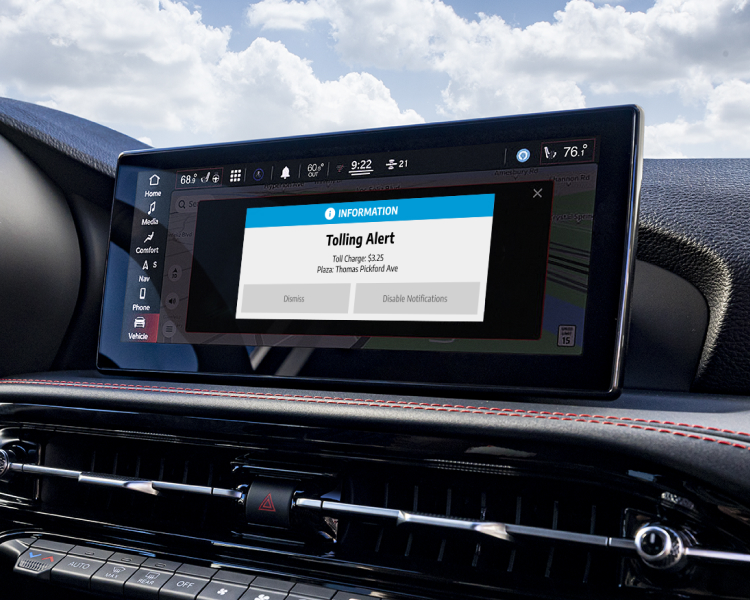
Verra Mobility launches AutoKinex for secure, in-vehicle payments
Read More about Verra Mobility launches AutoKinex for secure, in-vehicle payments