

Crashes, Cars And Change: Why The 2020s Mirror The Birth Of The Automobile
December 12, 2025
Protected: What Are Red Light Cameras and How Do They Improve Intersection Safety?
January 20, 2026
By Stacey Moser, Executive Vice President, Commercial Solutions
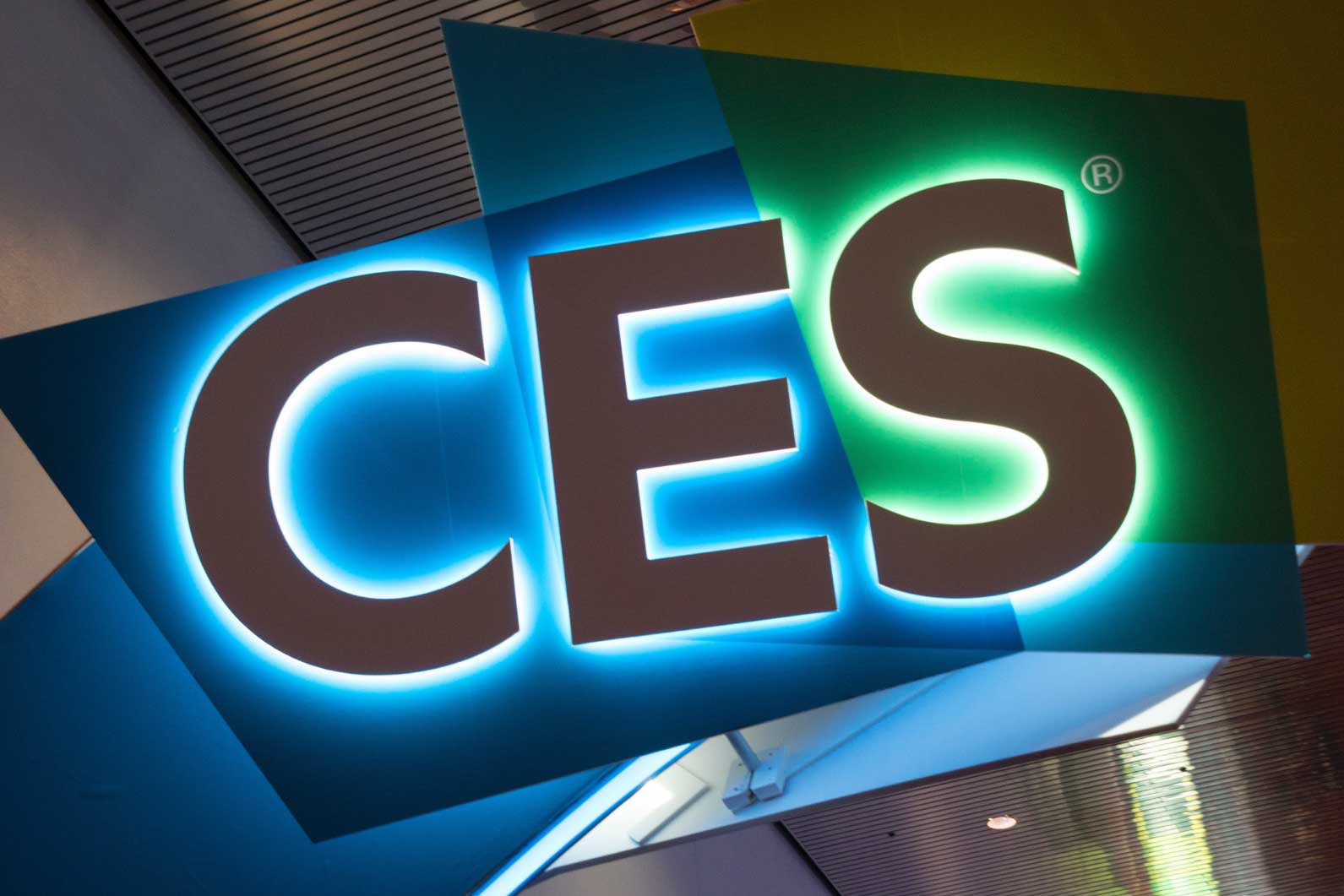
After several days at CES 2026 meeting with customers, partners, and industry leaders, I left Las Vegas convinced that we’ve crossed a meaningful threshold for mobility. This year, the conversations felt different - not speculative, not experimental, and certainly not theoretical.
The industry is no longer talking about what might happen next. We’re aligning around what must happen next.
Three themes stood out clearly, shaping nearly every discussion I had on the show floor and behind closed doors.
1. The Software-Defined Vehicle Is No Longer Optional
For years, the Software-Defined Vehicle (SDV) has been positioned as the future. At CES 2026, it became clear that it is now the baseline.
Vehicles are rapidly evolving from static products into dynamic digital platforms - more akin to smartphones on wheels than traditional mechanical machines. By decoupling hardware from software, automakers are unlocking the ability to deliver performance improvements, safety enhancements, and new capabilities through over-the-air updates long after a vehicle leaves the lot.
What struck me most in conversations with automakers and technology partners is how central this shift has become to long-term competitiveness. The vehicle is no longer defined solely by how it’s built, but by how it evolves. Those who treat software as core (not additive) are positioning themselves to deliver ongoing value and deepen customer relationships over time.
This is an evolution we’re already supporting - helping ensure that as vehicles become software platforms, critical services like mobility payments can integrate seamlessly into that digital architecture.
2. The Vehicle Is Becoming a Secure Commerce Platform
Another unmistakable shift at CES was the emergence of the vehicle as a trusted payment environment.
The “car as a wallet” is no longer a futuristic idea. Embedded payment systems are rapidly expanding across the dashboard - from frictionless EV “Plug & Charge” experiences to biometrically secured payments for parking, tolls, drive-thrus, and more. The goal is simple: remove barriers from everyday transactions and allow drivers and passengers to move through their day seamlessly.
What matters most here is trust. Automakers and partners are investing heavily in secure digital wallets, identity verification, and privacy first architectures because payments demand absolute confidence. When done right, these systems don’t just create convenience; they turn the cabin into a connected commerce environment that feels intuitive, invisible, and safe.
This trend closely mirrors the work already underway at Verra Mobility. We’ve been integrating cashless toll payments directly with connected cars - enabling secure, reliable transactions that happen automatically in the background. It’s a clear example of how [digital mobility] services can scale when trust, interoperability, and user experience are designed in from the start.
The vehicle’s role is expanding beyond transportation into transactional relevance, and the infrastructure to support that shift is already being built.
3. Automakers Are Reclaiming Control Through Vertical Integration
Perhaps the most strategic conversations at CES centered on how automakers are restructuring their technology stacks to compete in this new digital reality.
Leading automakers are moving aggressively toward vertical integration, building their own operating systems, designing proprietary silicon, and tightly controlling their software ecosystems. The rationale is clear: owning the full technology stack enables faster innovation, better AI performance, improved energy efficiency, and most importantly, direct ownership of the customer experience and data.
This shift is about more than differentiation - it’s about durability. By reducing reliance on off-the-shelf components and third-party platforms, automakers are creating closed, branded digital ecosystems that open the door to new revenue streams, deeper personalization, and long-term platform value.
For partners in the mobility ecosystem, this reinforces the importance of flexible, OEM-aligned solutions - ones that integrate cleanly, respect platform control, and enhance the end-to-end driver experience rather than fragment it.
Conclusion
CES 2026 felt decisive. The industry has moved from experimenting to executing, with software-led platforms, secure commerce, and tech-driven automakers leading the way. The alignment was clear, and this time, it feels like a true commitment to what’s next.
Shape the Future of Digital Mobility
From software-defined vehicles to secure in-car payments, the industry is moving fast, and fleets need to keep pace.
Let’s talk about how Verra Mobility can help you integrate smarter, connected solutions that keep your drivers moving seamlessly in this new digital era.
Start the conversation today.
Post Topics
Related Posts
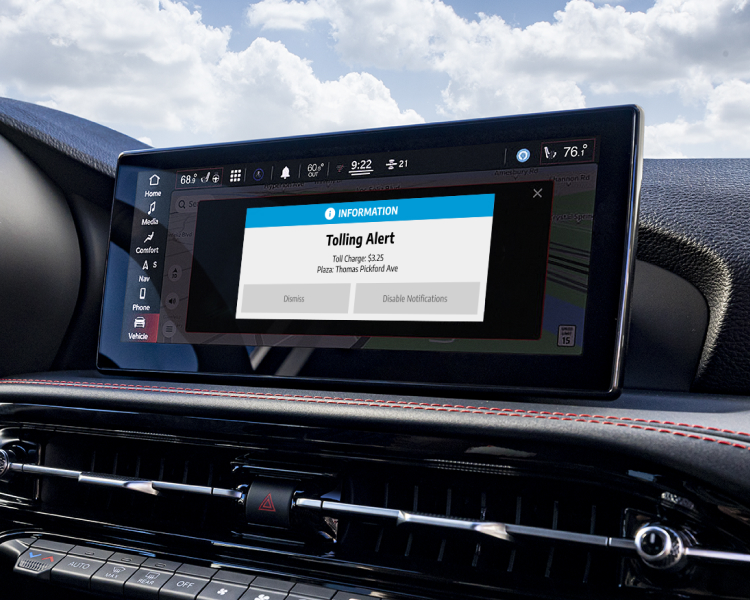
Verra Mobility launches AutoKinex for secure, in-vehicle payments
Read More about Verra Mobility launches AutoKinex for secure, in-vehicle payments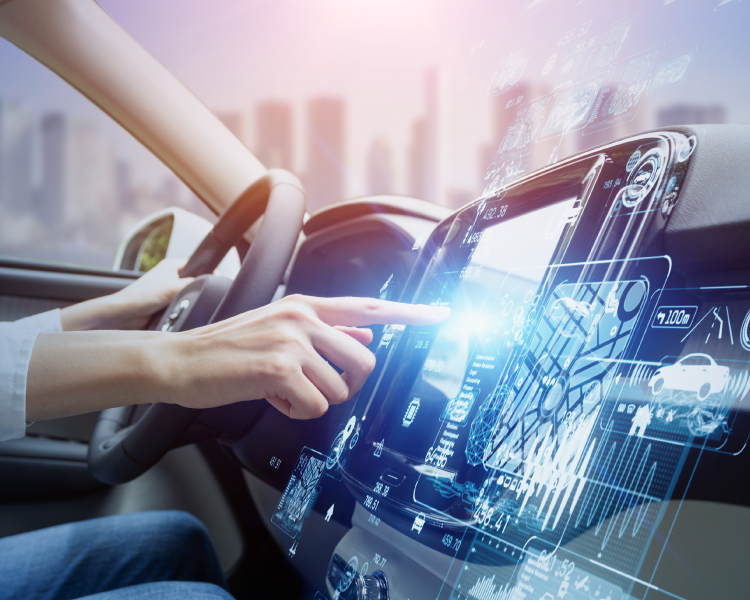
Smart Mobility Connected Vehicle Survey: 51% of Americans find the idea of a vehicle being a “digital wallet” appealing
Read More about Smart Mobility Connected Vehicle Survey: 51% of Americans find the idea of a vehicle being a “digital wallet” appealing