

Clearing the Air Between Automated Traffic Safety Programs and ALPR Programs
September 22, 2026
Verra Mobility and U.S. Bank Bring Simpler Toll Management to Fleets
September 29, 2026
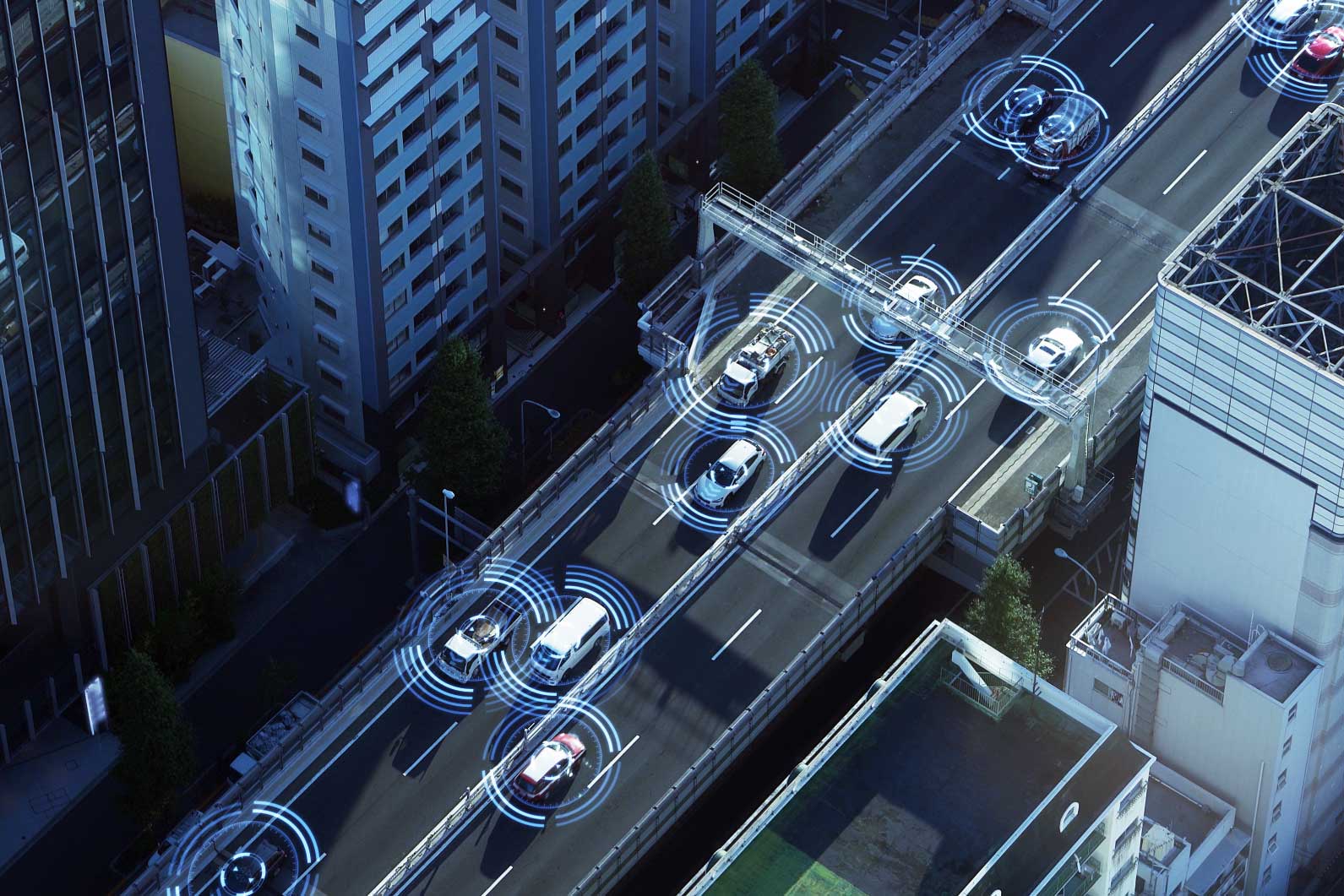
Everyday driving involves a series of interactions with transportation systems such as toll roads, parking infrastructure, and fueling networks. Verra Mobility helps streamline these interactions by enabling connected vehicle services that allow vehicles to handle transactions directly. As a result, connected vehicles are reducing friction, improving accuracy, and simplifying how drivers and fleets navigate real-world mobility systems.
As vehicles become digital platforms capable of interacting with mobility services and infrastructure, drivers gain access to capabilities that improve not just convenience, but accuracy and reliability across everyday travel. These capabilities are part of the broader ecosystem where vehicles connect with transportation networks to support real-time mobility interactions.
Understanding how these services function begins with connected vehicle technology, which enables vehicles to communicate with infrastructure, payment systems, and mobility platforms in real-world environments.
The Shift Toward In-Vehicle Mobility Services
Modern vehicles are increasingly designed to support embedded digital services that simplify how drivers interact with transportation systems. Rather than requiring drivers to manage multiple apps, accounts, or devices, connected vehicle platforms allow many services to operate directly through the vehicle interface.
This shift toward integrated services helps reduce operational complexity for both drivers and mobility providers. As a result, automakers are expanding their connected ecosystems to support a growing range of services that operate consistently across regions and infrastructure networks.
Examples of connected vehicle services include:
- Automatic toll payments
- Parking discovery and digital payments
- Fueling and EV charging transactions
- Remote diagnostics and vehicle monitoring
- Mobility services delivered through vehicle infotainment systems
These services are enabled by platforms that integrate directly with vehicle systems and transportation infrastructure, ensuring that interactions happen accurately and consistently.
Embedded Tolling: The Gateway to Connected Mobility
Tolling is often one of the first connected services introduced within vehicles because it addresses a complex and highly fragmented infrastructure environment. Traditional tolling methods rely on transponders, license plate billing, or manual processes that can introduce errors, delays, and administrative overhead.
Connected vehicle platforms simplify this process by allowing vehicles to interact directly with tolling systems. When a vehicle passes through a toll point, the transaction can be processed automatically through the connected mobility platform.
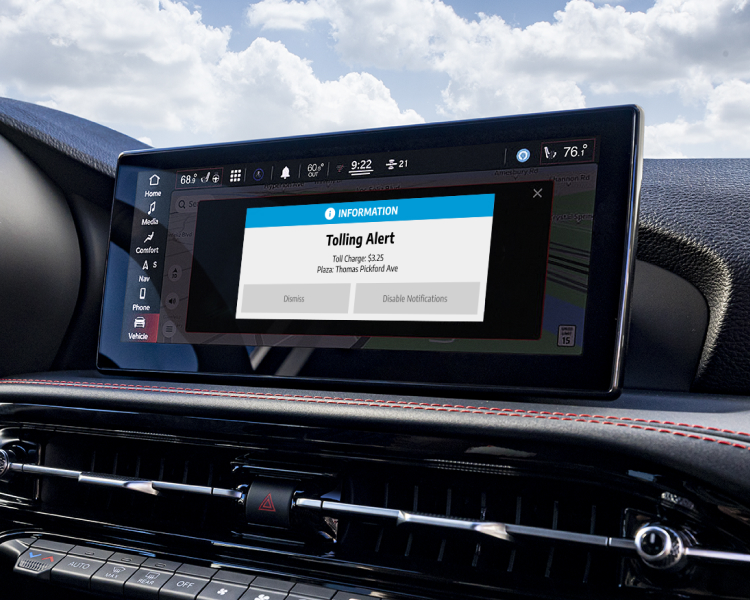
This embedded tolling capability reduces missed payments, minimizes billing discrepancies, and improves the accuracy of transactions across different tolling agencies. These services reduce disputes for agencies and improve compliance, not just driver convenience.
Consumer interest in these capabilities continues to grow. According to the Verra Mobility Smart Mobility Survey, drivers show strong interest in vehicles that can handle mobility transactions automatically, especially when those systems operate reliably without requiring additional devices.
Tolling often becomes the entry point into a broader connected mobility ecosystem, where additional services can be layered into the vehicle experience.
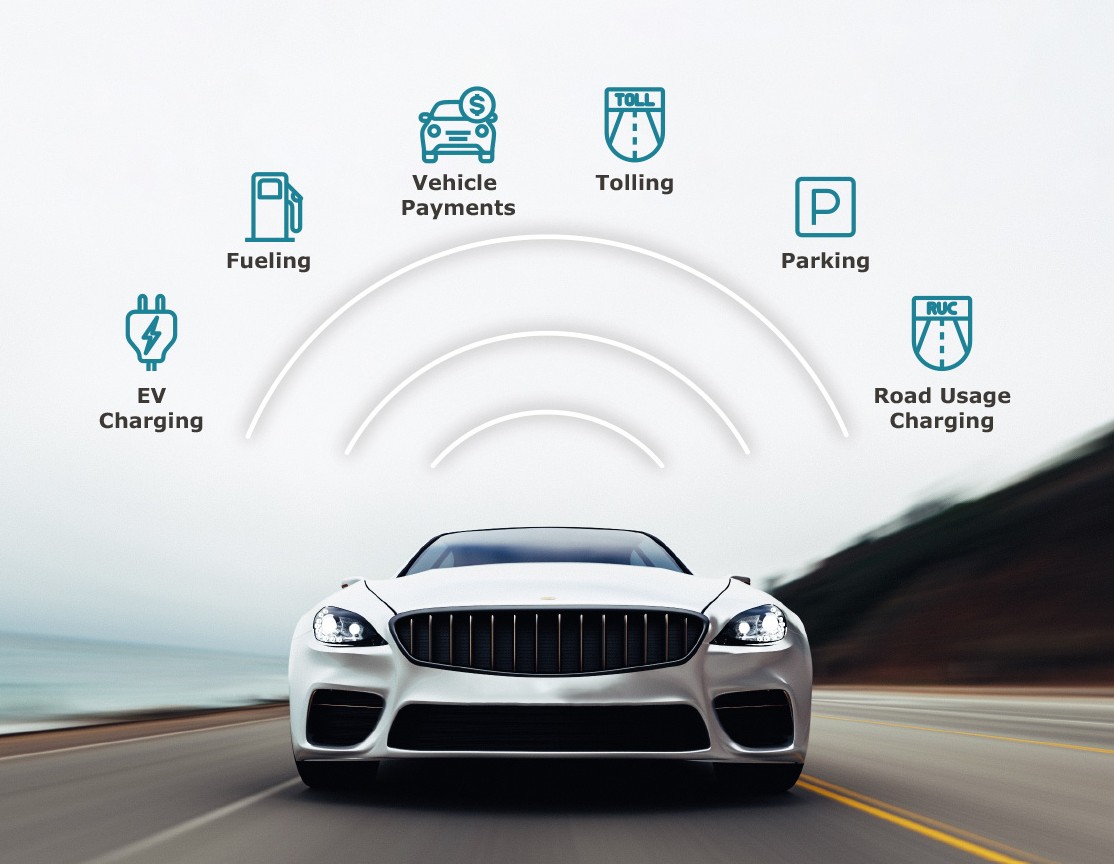
Fueling, Parking, and Charging Payments
Beyond tolling, connected vehicles can support a wide range of mobility transactions that extend across fueling, parking, and charging infrastructure.
These services allow vehicles to:
- Authorize fuel payments at participating stations
- Locate and pay for parking directly through the vehicle
- Initiate EV charging sessions and process payments automatically
- Capture transaction data for reporting and reconciliation
Platforms that support these services integrate directly with vehicle software systems while leveraging cloud-based transaction infrastructure, ensuring that services remain reliable even when connectivity fluctuates.
This hybrid approach allows connected vehicle services to function consistently across different environments while supporting the scale required for large mobility ecosystems.
Fleet Benefits: Compliance, Accuracy, and Operational Efficiency
Connected vehicle services deliver significant benefits for fleets operating across complex transportation networks. Managing tolling, fueling, and mobility transactions across hundreds or thousands of vehicles can create administrative challenges when handled manually.
Verra Mobility’s platform approach is built to operate at this level of scale, helping fleets manage complex tolling and mobility ecosystems through embedded and connected systems.
For fleet operators, connected mobility services can help:
- Verify toll charges using vehicle location data
- Identify discrepancies or incorrect transactions
- Automate dispute processes with tolling agencies
- Monitor fleet activity and mobility usage patterns
- Enforce company travel policies and compliance rules
These capabilities help fleets reduce administrative overhead, improve compliance, and ensure that transactions are processed accurately across different systems and jurisdictions.
A More Seamless Experience for Drivers
For individual drivers, the value of connected vehicle services comes from reducing the friction associated with everyday mobility tasks. Instead of managing multiple systems, drivers can rely on the vehicle to handle transactions and interactions directly.
This approach aligns with consumer expectations for integrated digital experiences. Verra Mobility’s Smart Mobility Survey found that many drivers prefer vehicle-based services over smartphone-dependent solutions, particularly when those services operate consistently and without interruption.
As automakers continue to expand their connected service offerings, vehicles will take on a greater role in managing everyday mobility interactions.
Expanding the Connected Mobility Ecosystem
Connected vehicle services continue to evolve as vehicles become more integrated with transportation infrastructure and digital platforms. As these ecosystems expand, new services will emerge that further streamline mobility experiences and improve operational efficiency.
Automakers and mobility providers are exploring how connected services can support broader transportation initiatives, including mobility payments, infrastructure integration, and data-driven transportation systems.
These developments are part of the larger shift toward smart mobility and intelligent transportation technology, where vehicles, infrastructure, and digital services operate as a connected ecosystem.
Enabling the Next Generation of Connected Vehicle Services
Connected vehicle services are redefining how vehicles interact with transportation systems. By integrating digital services directly into the vehicle, mobility platforms can simplify transactions, improve accuracy, and support more efficient mobility operations.
As these technologies continue to advance, connected mobility platforms will play an increasingly important role in enabling scalable, reliable transportation systems.
Verra Mobility’s connected vehicle services platform is built to support real-world mobility environments, enabling automakers, fleets, and partners to deploy embedded and cloud-connected solutions that operate across infrastructure networks and geographic regions.
Explore how Verra Mobility connected vehicle services power the future of smart mobility.
Frequently Asked Questions
What are connected vehicle services?
Connected vehicle services are digital features that allow vehicles to interact with mobility platforms, transportation infrastructure, and payment systems to support services like tolling, parking, fueling, and diagnostics.
How do connected vehicles pay for tolls automatically?
Connected vehicles use telematics data and mobility platforms to detect when a vehicle passes through a toll point and process the payment automatically through an integrated system.
What types of payments can connected vehicles handle?
Connected vehicles can support payments for tolls, parking, fueling, EV charging, and other mobility services through embedded and connected platforms.
How do connected vehicle services help fleets?
Connected vehicle services help fleets verify transactions, automate dispute processes, monitor activity, and improve operational efficiency across large vehicle networks.
Are connected vehicle payments secure?
Connected vehicle platforms use encryption, authentication, and secure infrastructure to protect transactions and ensure that mobility services operate safely and reliably.
Shape the Future of Digital Mobility
The industry is moving fast, and fleets need to keep pace. Let’s talk about how Verra Mobility can help you integrate smarter, connected solutions that keep drivers moving seamlessly in this new digital era.
Start the conversation today.
Post Topics
Related Posts
The Great Debate: Paying Upgrades for Connected Car Features vs. Subscription Flexibility
Read More about The Great Debate: Paying Upgrades for Connected Car Features vs. Subscription Flexibility
Verra Mobility launches AutoKinex for secure, in-vehicle payments
Read More about Verra Mobility launches AutoKinex for secure, in-vehicle payments