

Introducing AutoKinex™ Virtual Agent: A Faster, Counter Free Way to Finish Your Rental
April 15, 2026
Honoring Atlanta’s Student Safety Champions
April 23, 2026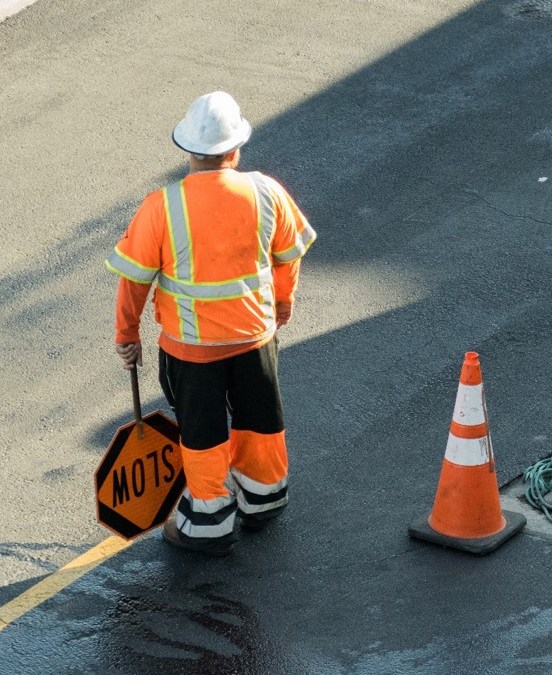
Each spring, Work Zone Awareness Week serves as a reminder that the orange cones and warning signs on our roads represent more than construction; they represent lives at risk.
Work zones are necessary to maintain and improve infrastructure, but they also create unpredictable driving conditions. Narrow lanes, shifting traffic patterns, and the presence of workers all require heightened awareness from drivers. When speed is added to that environment, the consequences can be severe.
The reality of work zone risk
Recent data from the Associated General Contractors of America (AGC) and HCSS shows the scale of the problem. Motorists are nearly twice as likely to die in a work zone crash as construction workers, highlighting that these incidents affect everyone on the road.
In 2023 alone, there were 899 work zone fatalities, along with an estimated 39,000 injuries and more than 100,000 crashes. Speed continues to play a major role, contributing to 32% of fatal work zone crashes in 2021. Beyond the human toll, these incidents carry an estimated $34 billion in societal costs.
Changing driver behavior through enforcement
Work zones are temporary and constantly shifting, making consistent enforcement difficult through traditional means alone. This is where automated work zone speed enforcement is making a meaningful difference.
By providing consistent, around-the-clock enforcement, speed cameras encourage drivers to slow down in real time. The impact leads to sustained behavior change, making work zones safer for both workers and motorists.
Proven success in Pennsylvania
Pennsylvania offers a clear example of what this approach can achieve. The state’s Automated Work Zone Speed Enforcement program, in partnership with Verra Mobility, has led to significant reductions in speeding, including a 38% decrease in overall speeding and a 47% drop in excessive speeding during peak construction months.
The impact was clear, with work zone crashes cut by up to 50% in areas where cameras were deployed. These results helped lead to the program becoming permanent in 2023, reinforcing the role automated enforcement can play in improving roadway safety.
The data points to a clear conclusion – work zone crashes are not inevitable, and speeding is one of the most preventable risk factors. When drivers slow down, lives are saved, and when enforcement is consistent, behavior changes.
As Work Zone Awareness Week approaches, the focus should not only be on awareness, but on action. Proven solutions like automated speed enforcement can help protect workers, reduce crashes, and make our roads safer for everyone who travels them.